

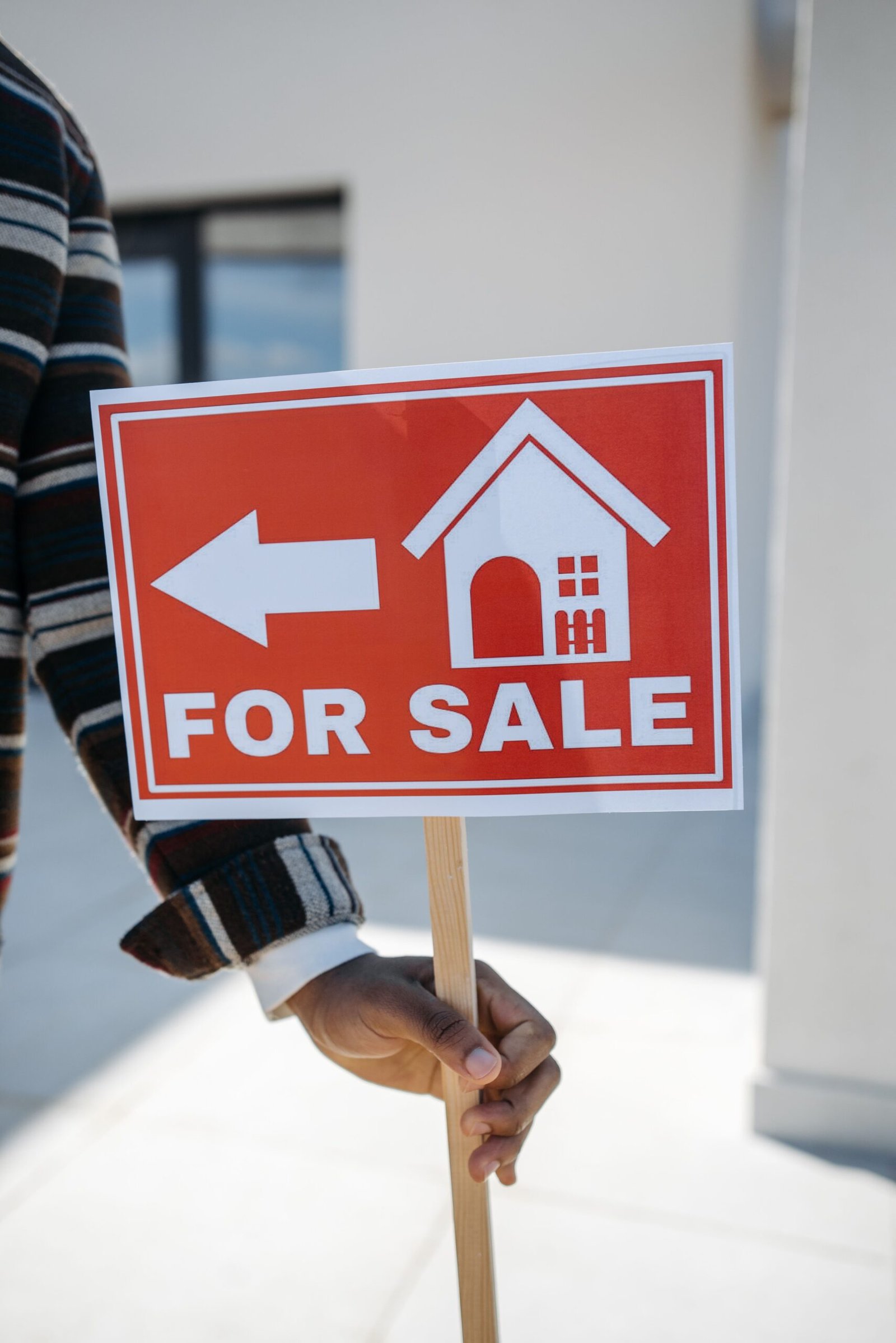
If you already own a home and want to move, you will face a question that almost every homeowner struggles with: should you sell first or buy first? Selling first can leave you without a home to move into. Buying first can leave you paying for two properties. Neither route is automatically right, and the best choice depends on your finances, your timeline, your appetite for risk and what is happening in your local market. This guide walks through both options so you can decide with confidence.
Why This Decision Matters
Most people moving home rely on the money from their current property to fund the next one. That money usually covers the deposit and reduces the size of the new mortgage. Because the two transactions are so closely connected, the order in which you tackle them affects your buying power, your stress levels and how likely your move is to complete smoothly.
The Case for Selling First
Selling first puts you in a much stronger position when you start making offers. Sellers and their agents prefer buyers who have already sold, or who have accepted an offer on their own home, because there is less chance of the purchase collapsing. In a competitive market, this can be the difference between having your offer accepted or overlooked.
Selling first also gives you financial clarity. Once you know what your home has sold for, you know exactly how much equity you have. That makes it easier to set a realistic budget and avoid falling in love with a property you cannot afford.
There are practical benefits too. You are not under pressure to accept a low offer on your current home just to secure the next one, and you avoid the risk of owning two properties at once.
The Downsides of Selling First
The main risk is timing. If your sale completes before you have found somewhere suitable, you will need temporary accommodation. That might mean a short-term rental, staying with family or putting belongings into storage. These arrangements cost money and can be disruptive, particularly for families with children at local schools.
You may also feel pressured to buy quickly once your sale is agreed, which could lead you to compromise on your next home.
The Case for Buying First
Buying first lets you secure the home you really want without rushing. This can make sense if you have found a rare property, need to be in a specific school catchment or have a strict deadline for a job move.
Some homeowners can afford to buy without selling, perhaps because they have substantial savings, low borrowing on their current home or plan to keep it as a rental property. In these cases, buying first removes much of the chain risk.
The Downsides of Buying First
For most people, buying first only works if the current home sells in time. If it does not, you may need bridging finance to cover the gap. Bridging loans are short-term and usually more expensive than standard mortgages, and the costs can climb quickly if your sale takes longer than expected.
You may also end up paying two sets of bills, including mortgage payments, council tax, insurance and utilities, until your old home sells. If the market slows, you might feel pressured to accept a lower price to stop those costs mounting.
A Balanced Approach Many Movers Use
Many homeowners take a middle route. They put their home on the market and start viewing properties at the same time. Viewing early helps them understand what their budget can buy and which areas suit them. Once they accept an offer on their own home, they begin making serious offers, confident that they are in a proceedable position.
This approach keeps both sides of the move progressing without committing too early. It also allows movers to work with their agent to line up exchange and completion dates across the chain.
Questions to Ask Before You Decide
Your answers to a few simple questions can point you in the right direction:
- How quickly are homes like yours selling in your area?
- Could you cope financially and practically with a temporary move?
- Would you be able to afford two properties for a period of time?
- How flexible is your moving timeline?
- Is the type of home you want in short supply locally?
If homes are selling quickly and properties like the one you want are plentiful, selling first is often the safer route. If the home you want is rare and your finances can absorb some risk, buying first may be worth considering.
Get Your Finances Ready Either Way
Whichever route you choose, preparation reduces stress. Speak to a mortgage adviser early to understand how much you can borrow and whether you can port your existing mortgage. Check whether your current deal has early repayment charges. Get a clear valuation of your home so your budget is based on realistic figures rather than hopeful guesses.
It also helps to instruct a solicitor early and gather key documents, such as your title information, guarantees and certificates for any work you have had done. Being organised can shave weeks off the process once a sale is agreed.
Final Thoughts
There is no single right answer to whether you should sell before you buy, but understanding local demand makes the decision far easier. Book a valuation with a Local property expert in Birmingham to find out how quickly homes like yours are selling, what your property is likely to achieve and how to plan a move that fits your circumstances.
