



Hip Abduction Machinet and the Return to Intentional Strength Training
Hip abduction machinet has become an increasingly recognizable fixture in modern gyms, particularly among people interested in lower-body strength, stability, and controlled movement. Rather than relying entirely on complex free-weight exercises, many gym-goers appreciate equipment that provides a defined movement pattern and a focused training experience. In that sense, the machine reflects a broader shift in fitness culture: people are becoming more interested in purposeful exercise rather than simply exercising harder. Moreover, its straightforward setup makes targeted lower-body training feel approachable for beginners while still offering experienced lifters another tool for structured programming.
Why the Outer Hip Muscles Deserve More Attention
The muscles responsible for moving the leg outward play an important role in everyday movement, balance, and lower-body control. These muscles include the gluteus medius and gluteus minimus, along with other supporting structures around the hip. Consequently, training them can complement broader strength work involving the glutes, thighs, and core. However, targeted exercises should not be viewed as isolated solutions. Instead, they work best within a balanced program that includes compound movements, mobility work, cardiovascular activity, and appropriate recovery. This wider perspective helps explain why specialized gym equipment has found a lasting place in contemporary exercise routines.
A Machine Built Around Controlled Movement
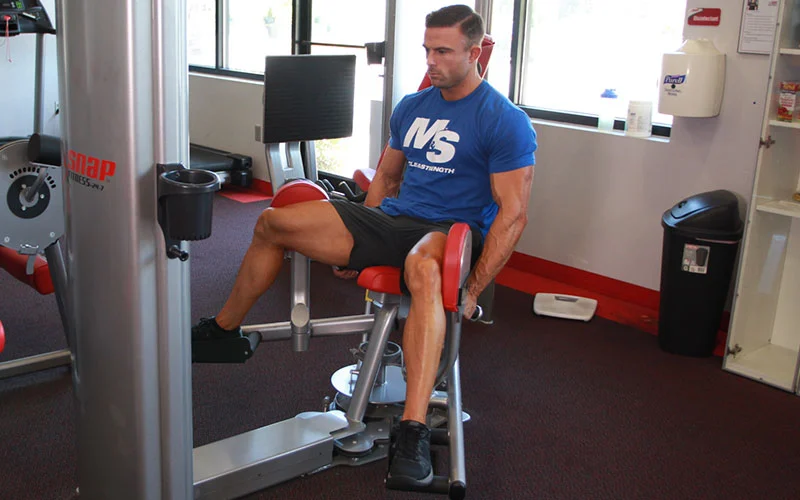
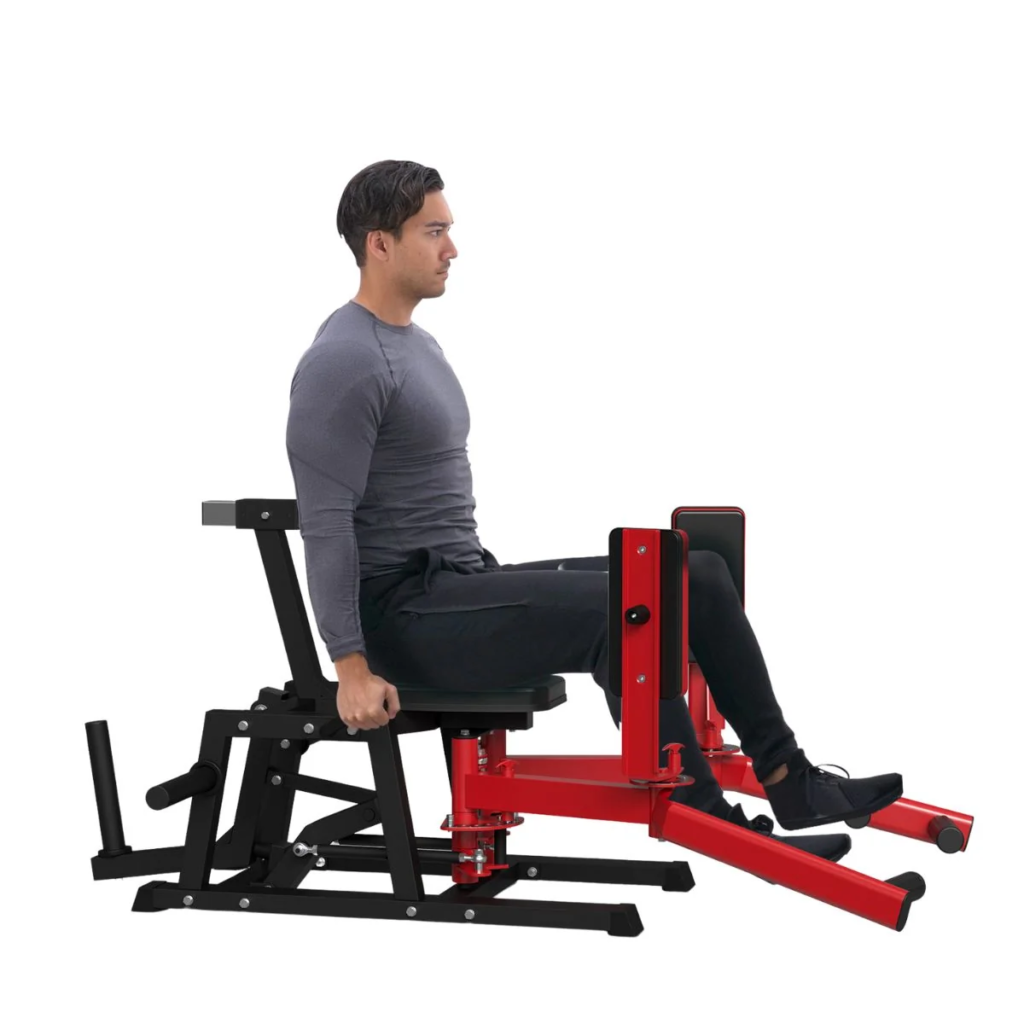
One reason this equipment remains popular is its simplicity. The user generally sits against a supported pad, positions the legs against resistance pads, and moves the thighs outward under controlled resistance. Because the movement is guided, users can concentrate on technique without having to stabilize a barbell or coordinate several complex actions simultaneously. Nevertheless, simplicity should not be confused with ease. The effectiveness of any resistance exercise depends heavily on appropriate load selection, posture, range of motion, and consistency. Therefore, controlled repetitions are generally more useful than chasing excessive weight or speed.
The Psychology Behind Focused Gym Equipment
There is also a cultural dimension to the popularity of machines like this. Modern fitness spaces increasingly function as environments where people seek confidence, routine, and measurable progress. A machine with a clearly defined movement can offer psychological reassurance: users know where to sit, where to place their legs, and what motion they are attempting to perform. Furthermore, the visible structure of resistance training provides a sense of progress that can be motivating. For some people, recording repetitions and gradually improving their performance transforms exercise from an occasional activity into a personal ritual.
How It Fits Into a Balanced Lower-Body Workout
A thoughtful lower-body session rarely depends on one exercise. Instead, different movements can serve different purposes. Squats, lunges, step-ups, deadlift variations, bridges, and other exercises can develop broader strength, while targeted hip work can complement those patterns. As a result, the machine can be considered one component rather than the centerpiece of every workout. For beginners, a sensible approach may involve learning fundamental movement patterns first and then introducing additional exercises according to individual goals. Meanwhile, experienced lifters may use targeted work toward the end of a session when larger compound exercises have already been completed.
Technique Matters More Than the Number on the Weight Stack
Although gym culture sometimes encourages people to associate heavier resistance with better training, that assumption can be misleading. With targeted hip movements, maintaining comfortable posture and deliberate control is often more valuable than selecting a challenging weight that compromises form. The torso should remain supported, the movement should be smooth, and the legs should not be thrown outward using momentum. In addition, users should pay attention to how their body responds throughout the exercise. If discomfort, sharp pain, or unusual symptoms occur, stopping the movement and seeking appropriate professional guidance is wiser than attempting to push through them.
From Glute-Focused Trends to Functional Fitness
The popularity of glute-focused training has also influenced how people think about lower-body exercise. Social media has played a significant role, turning certain exercises and machines into recognizable symbols of contemporary fitness culture. However, the conversation is gradually becoming broader. Instead of focusing exclusively on appearance, many people now discuss hip stability, athletic performance, movement quality, and long-term physical capability. In this context, targeted resistance equipment has an interesting role. It connects aesthetic goals with functional concerns, demonstrating how modern fitness increasingly blends performance, confidence, health, and personal identity.
Who Might Find This Equipment Useful?
The appeal of this type of machine extends across different experience levels. A newcomer may value its guided movement and straightforward setup, while an experienced athlete may appreciate the ability to add controlled accessory work without significant technical complexity. People who spend much of their day sitting may also be interested in developing greater awareness of the muscles around the hips, although exercise selection should always reflect individual circumstances. Ultimately, no single machine is universally necessary. Its usefulness depends on personal goals, existing training habits, comfort, and the broader structure of an individual’s exercise program.
Common Mistakes That Reduce the Quality of a Session
Several habits can undermine a targeted hip exercise. Using excessive resistance is one of the most common because it encourages momentum and reduces control. Similarly, rushing repetitions can make it difficult to maintain consistent tension and positioning. Another mistake is treating the exercise as a replacement for comprehensive lower-body training. Instead, it should generally complement other movements. Additionally, copying another person’s settings without considering individual proportions can create an uncomfortable setup. Therefore, adjusting the seat, resistance, and range of motion to suit one’s own body is a much more sensible approach than simply imitating someone else in the gym.
The Quiet Value of Repetition and Routine
Fitness culture often celebrates dramatic transformations, but meaningful progress is usually less theatrical. A person who consistently trains several times each week, gradually improves technique, and allows sufficient recovery may gain more from their routine than someone who constantly changes exercises. Targeted machine work fits naturally into this philosophy because it can be repeated and tracked relatively easily. Over time, consistency can create a stronger connection between exercise and everyday life. The machine itself may not be remarkable, yet the routine surrounding it can become an important part of someone’s broader relationship with movement.
An Evening Conversation in a Contemporary Gym
On a busy evening, the atmosphere around lower-body machines can reveal something about modern exercise culture. Between sets, people check training notes, adjust headphones, exchange brief advice, or simply concentrate on their own routines. A fitness professional observing this environment might describe the appeal of targeted machines as partly practical and partly emotional: they give people a defined task within an otherwise overwhelming gym floor. That clarity can be valuable. Especially for beginners, knowing what an exercise is supposed to accomplish can make the intimidating experience of entering a gym feel considerably more manageable.

What Experienced Trainers Often Emphasize
Q: Is targeted hip training enough for strong lower-body development?
A: No. It can complement a broader program, but overall lower-body development benefits from varied movement patterns and progressive resistance training.
Q: Should beginners start with heavy resistance?
A: Usually, the priority should be learning comfortable positioning and controlled movement. Resistance can be increased gradually as technique becomes consistent.
Q: Is soreness proof that the exercise worked?
A: Not necessarily. Soreness can occur after unfamiliar exercise, but it is not a reliable measure of training quality.
Q: How important is consistency?
A: Very important. Sustainable training performed regularly generally matters more than occasional extremely demanding sessions.
Q: Can this equipment replace compound exercises?
A: It is better understood as complementary equipment. Compound movements and other forms of resistance training can provide broader physical benefits.
The Broader Meaning of Specialized Fitness Equipment
The story of hip abduction machinet is ultimately larger than a single piece of gym equipment. It reflects the continuing evolution of exercise culture toward personalization and intentionality. People increasingly want workouts that feel understandable, measurable, and connected to specific goals. At the same time, there is growing recognition that strength is not simply about appearance. It can involve balance, confidence, movement quality, physical independence, and the ability to participate fully in everyday life.
Conclusion: A Small Movement Within a Bigger Fitness Story
Hip abduction machinet represents a focused approach to resistance training, but its significance comes from how it fits into a much larger picture. Used thoughtfully, it can complement broader lower-body training and give people another way to practice controlled movement. More importantly, its popularity illustrates a changing relationship with fitness. Today’s gym is not merely a place for lifting heavier weights; it is also a place where people build routines, confidence, awareness, and long-term habits. Ultimately, the value of any machine depends less on its reputation than on how intelligently and consistently it becomes part of a balanced approach to movement.


