



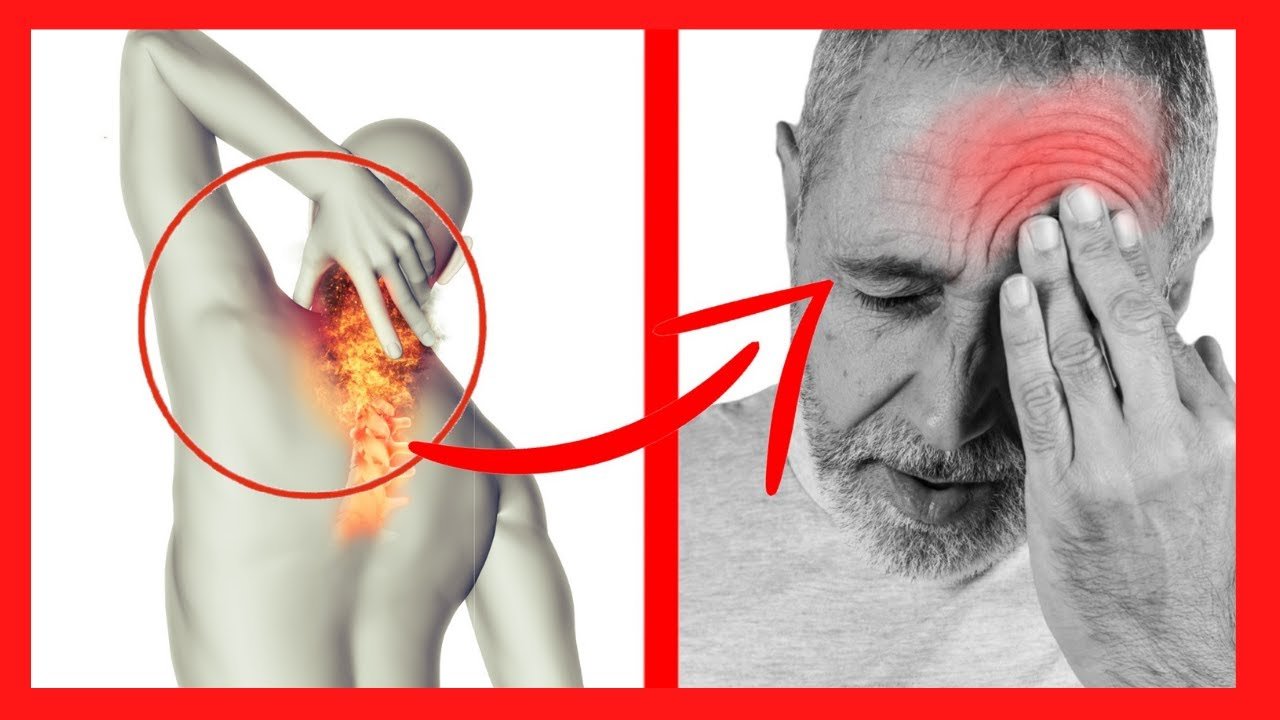
Blood clot tingling sensation in head scalp can be an unsettling experience, particularly when an unfamiliar prickling, buzzing, crawling, or numb sensation suddenly appears. The mind can quickly connect an unusual feeling with something dangerous, especially when the word “blood clot” is involved. Yet tingling of the scalp does not, by itself, prove that a blood clot is present. Medically, such sensations are often described as paresthesia, a broad term covering tingling, pins and needles, burning, prickling, or numbness.
When a Scalp Sensation Feels More Alarming Than It Is
The scalp contains numerous nerves, blood vessels, muscles, and connective tissues, so several ordinary problems can produce unusual sensations. Temporary nerve irritation, migraine, stress-related changes in breathing, dehydration, or pressure on nerves can all contribute to tingling. Furthermore, neck tension and certain nerve conditions can create sensations that seem to travel upward toward the scalp. Cleveland Clinic notes that paresthesia can have many causes, ranging from temporary and relatively harmless issues to neurological or circulatory conditions requiring medical attention.
What Blood Clots in the Brain Actually Involve
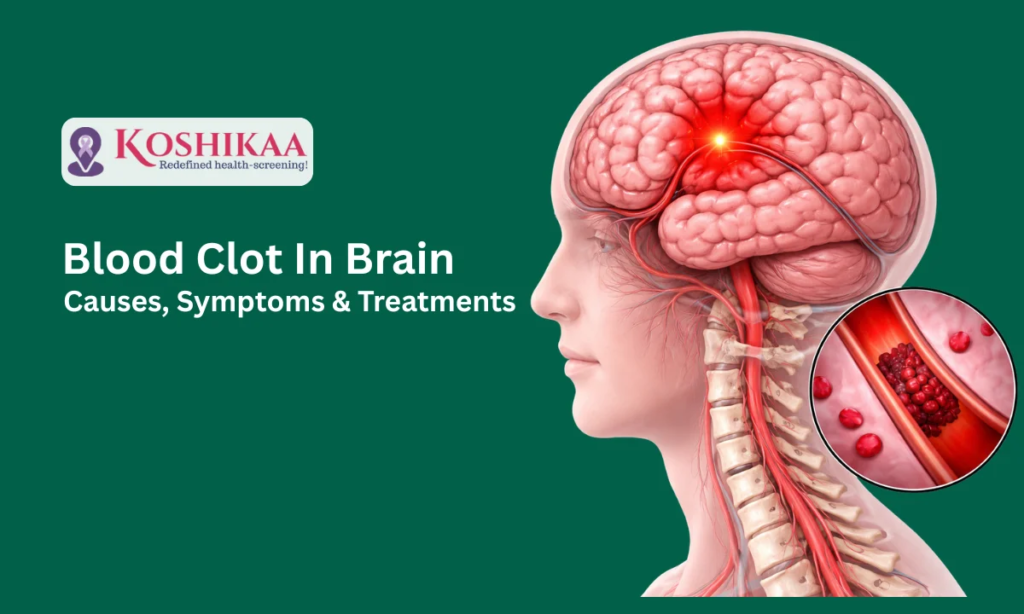
A blood clot affecting the brain is a very different issue from an isolated tingling sensation on the scalp. One uncommon but important condition is cerebral venous sinus thrombosis, in which a clot forms in the brain’s venous channels. Headache is the most frequent symptom, while some people can also develop visual problems, seizures, weakness, or other neurological changes. Importantly, symptoms vary, and a person cannot determine from scalp tingling alone whether a clot exists. Diagnosis requires medical assessment and, when appropriate, brain and blood-vessel imaging.
Why Nerves Can Create a Tingling Feeling Across the Scalp
Sometimes the explanation is neurological rather than vascular. Paresthesia occurs when sensory nerve signals are altered, producing sensations that may feel prickly, numb, burning, itchy, or like tiny electrical impulses. Nerve irritation around the neck and upper back can also influence how sensations are perceived in the head and scalp. Consequently, a person may experience a very real physical sensation without having a clot. Persistent or repeatedly occurring tingling deserves attention, especially when it is accompanied by weakness, loss of function, balance problems, or other neurological symptoms.
Migraine, Stress and Other Possible Explanations
A strange scalp sensation can sometimes accompany migraine or other temporary neurological phenomena. Stress may also change breathing patterns, and hyperventilation is among the recognized causes of transient paresthesia. In addition, dehydration, low blood sugar, vitamin deficiencies, nerve compression, and some metabolic or neurological disorders can produce abnormal sensations. Therefore, the most useful question is not simply whether the sensation resembles a blood clot symptom, but what other symptoms occur alongside it, how suddenly it began, how long it lasts, and whether it keeps returning.
The Red Flags That Should Never Be Ignored
The concern becomes much greater when tingling appears suddenly with weakness or numbness on one side, difficulty speaking, confusion, trouble walking, vision changes, fainting, or a severe headache. These combinations can indicate a neurological emergency, including stroke. Similarly, a sudden, extremely severe headache—especially one described as the worst headache a person has experienced—requires immediate medical attention because serious bleeding around the brain can present this way. In these circumstances, waiting to see whether symptoms disappear can be dangerous.
A Closer Look at Cerebral Venous Sinus Thrombosis
Cerebral venous sinus thrombosis is one reason doctors take certain unusual head symptoms seriously. Unlike a clot in a leg, this condition involves veins responsible for draining blood from the brain. Headache occurs in most cases, and neurological complications can include seizures, visual disturbances, weakness, or altered mental status. However, the condition is uncommon, and a scalp tingling sensation alone is not enough to identify it. When clinicians suspect cerebral venous thrombosis, the diagnosis depends on the overall clinical picture and appropriate imaging rather than on the sensation itself.
What the Pattern of Tingling Can Tell You
The pattern can provide useful clues for a healthcare professional. A sensation lasting only seconds after changing position may have a different explanation from persistent tingling that progressively worsens. Likewise, tingling confined to a small patch of scalp differs from numbness spreading into the face, arm, or leg. Timing matters as well: symptoms that appear abruptly and alongside weakness, speech difficulty, visual disturbance, or severe headache deserve urgent evaluation. Ultimately, the sensation is one piece of a much larger clinical puzzle rather than a diagnosis in itself.
Why Searching Symptoms Online Can Increase Anxiety
There is a distinctly modern problem surrounding symptoms such as blood clot tingling sensation in head scalp: the internet can turn a minor sensation into a frightening diagnosis within minutes. Search results often place common and rare conditions beside one another, making them appear equally likely. Yet medical probability does not work that way. A symptom may be compatible with several illnesses while being far more commonly associated with benign explanations. The sensible approach is neither to dismiss unusual sensations nor to assume the most frightening possibility without evidence.
When It Is Time to Speak With a Doctor
If scalp tingling is persistent, recurrent, unexplained, or accompanied by other neurological symptoms, arranging a medical evaluation is sensible. A clinician can review medications, recent injuries, migraine history, circulation concerns, nutrition, neurological symptoms, and other relevant factors before deciding whether testing is necessary. Persistent paresthesia should not simply be self-diagnosed, particularly when it affects function or repeatedly occurs without an obvious trigger.
The Difference Between Concern and Emergency
Not every unusual scalp sensation is an emergency, but certain combinations demand immediate action. Sudden severe headache, new one-sided weakness or numbness, difficulty speaking, confusion, loss of consciousness, seizure, major vision changes, or difficulty walking should prompt emergency medical care. A sudden severe headache can be associated with bleeding around the brain, while focal neurological symptoms can occur with stroke and other serious disorders.

| Symptom pattern | What it means for urgency |
|---|---|
| Brief, isolated scalp tingling | Often warrants observation and context, especially if it resolves |
| Repeated or persistent tingling | Discuss with a healthcare professional |
| Tingling with weakness, speech or vision changes | Seek urgent medical assessment |
| Sudden severe headache with neurological symptoms | Treat as a medical emergency |
FAQs About Blood Clot Tingling Sensation in Head Scalp
Can a blood clot cause tingling in the scalp?
A clot affecting the brain’s circulation can cause neurological symptoms, but scalp tingling alone is not a reliable sign of a clot. Other symptoms and medical testing are needed to determine the cause.
Is scalp tingling always dangerous?
No. Paresthesia has numerous possible causes, including migraine, temporary nerve irritation, dehydration, hyperventilation, and nerve compression.
When should scalp tingling become an emergency?
Seek emergency care when sudden tingling occurs with weakness, facial drooping, difficulty speaking, confusion, serious vision changes, trouble walking, loss of consciousness, seizure, or a sudden severe headache.
Can anxiety cause a tingling sensation?
Yes. Changes in breathing associated with anxiety or hyperventilation can contribute to temporary paresthesia. However, new or severe neurological symptoms should not automatically be attributed to anxiety.
Conclusion: Listen to the Symptom Without Assuming the Diagnosis
Blood clot tingling sensation in head scalp is a phrase that naturally raises concern, but the sensation itself does not establish that a blood clot exists. Scalp tingling is a form of altered sensation with a wide range of potential explanations, from temporary nerve irritation to migraine and other neurological conditions. At the same time, unusual sensations should not be ignored when they appear with serious warning signs. The most responsible response is balanced: recognize emergency symptoms quickly, avoid self-diagnosis, and seek professional evaluation when sensations persist, recur, or change.


