



RitFit: When the Gym Moves Into the Home
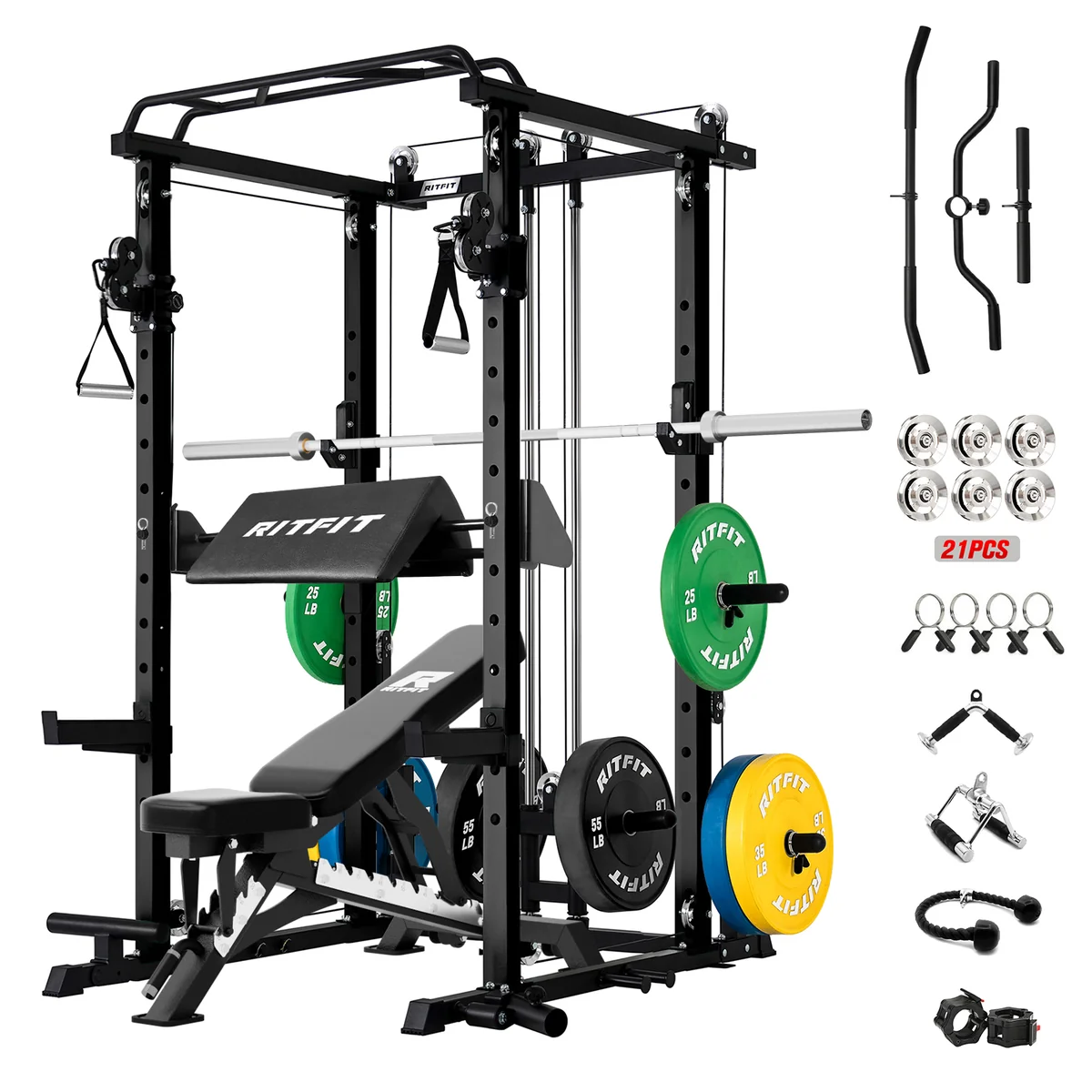
RitFit represents a broader change in the way people think about strength training, space, and personal fitness. Founded in Delaware in 2015, the company began with a focus on accessible equipment for activities including yoga, Pilates, and dumbbell training before expanding into strength-focused home gym systems. Today, its catalog spans power cages, Smith machines, benches, dumbbells, barbells, weight plates, lower-body machines, and accessories.
The Story Behind a More Accessible Fitness Philosophy
The name RitFit combines the ideas of “Right” and “Fitness,” reflecting the company’s stated philosophy that people should have greater control over how and where they train. Its founders came from varied professional backgrounds, including car design, IT engineering, and furniture design, while the company says its broader team includes athletes, nutritionists, ergonomic specialists, and sports pedagogy professionals. That combination is significant because home fitness is not simply about moving commercial equipment into a spare room; it requires thinking about convenience, safety, storage, usability, and everyday routines.
From Basic Equipment to Complete Strength Systems
The evolution of the product range mirrors the maturation of the home-gym market. Rather than limiting its offering to individual weights, the brand now presents complete systems that combine several training functions in one footprint. Current offerings include the M1 PRO, M2, BUFFALO, BPC06, P3, and other multifunctional systems, alongside standalone benches, dumbbells, racks, barbells, and lower-body equipment. This approach appeals particularly to people who want progressive training without filling an entire room with separate machines.
Why Multifunctionality Matters in Modern Homes
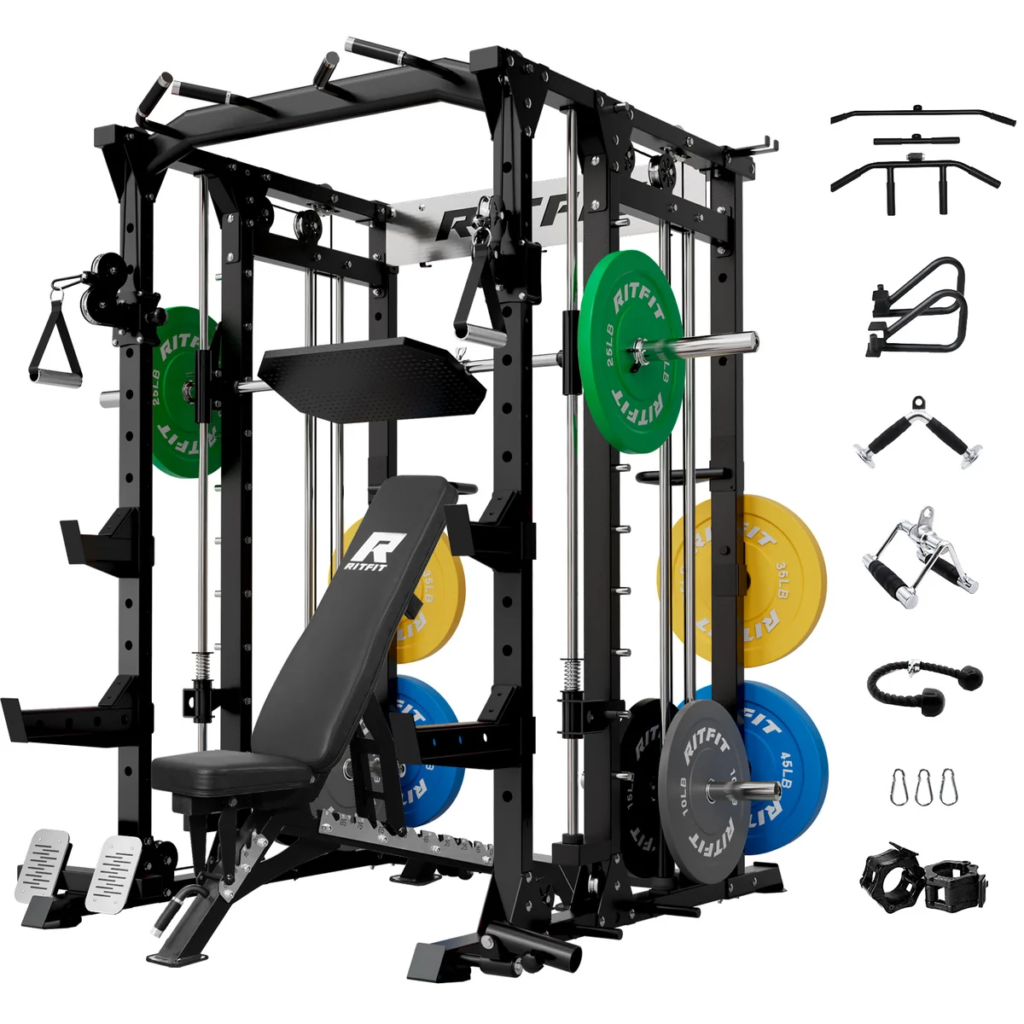
For many households, the central challenge is not motivation but space. A dedicated commercial-style gym may be unrealistic, whereas a carefully selected multifunctional setup can turn a garage, basement, spare room, or corner of a larger living space into a training environment. Several current systems combine features such as Smith-machine functionality, cable crossovers, racks, and other attachments. Consequently, the appeal lies as much in efficient design as in the individual exercises a machine can support.
The Rise of the All-In-One Home Gym
The all-in-one concept has become one of the defining ideas in contemporary home fitness. Instead of purchasing a bench, rack, cable machine, and additional stations separately, consumers can choose packages designed around multiple training possibilities. The company’s current package collection includes multifunctional systems as well as specialized combinations for strength and lower-body training. For beginners, this can simplify the process of creating a coherent setup; for experienced lifters, it can provide a centralized training station capable of supporting a wider routine.
Strength Training Becomes Part of Everyday Life
There is also a cultural dimension to the growth of home strength equipment. Exercise is increasingly being integrated into ordinary schedules rather than treated as an activity requiring a separate journey. A home gym can make training possible before work, after family responsibilities, or during a short break in the day. RitFit’s own messaging emphasizes the idea that fitness should fit into life rather than forcing life to revolve around fitness. That philosophy reflects a wider movement toward flexible, individualized approaches to exercise.
A Product Range Built Around Different Training Goals
The breadth of the catalog allows consumers to approach home training from different directions. Someone starting with basic resistance work might need only dumbbells and a bench, while a more committed lifter could move toward a power cage, Smith machine, cable system, or dedicated lower-body equipment. The current range includes rubber hex dumbbells, adjustable and foldable benches, Olympic bars, bumper plates, leg machines, racks, and attachments. Therefore, the brand can be understood less as a single type of equipment and more as an ecosystem for progressively building a training space.
The Human Question Behind the Hardware
Fitness equipment is ultimately judged in the context of human behavior. A technically impressive machine has little value if it is difficult to use, occupies impractical space, or becomes intimidating to a newcomer. Conversely, equipment that feels approachable can encourage consistency. The company’s story repeatedly emphasizes beginner-friendly design, affordability, convenience, and the experience of ordinary home users. That perspective matters because sustainable fitness is rarely created by one spectacular workout; it is created through thousands of ordinary decisions to keep moving.
Where Design Meets Motivation
A home gym can also become an extension of personal identity. The choice of equipment, its arrangement, and even the visual character of a training space can influence how people relate to exercise. Current offerings include conventional black equipment as well as distinctive options such as pink Smith-machine packages and pink dumbbells. Such choices may appear cosmetic, yet they reflect a larger cultural shift: fitness spaces are becoming personal environments rather than standardized rooms designed for anonymous crowds.
A Closer Look at the Home-Gym Ecosystem
| Area | What it can offer | Why it matters at home |
|---|---|---|
| Smith machines and racks | Structured strength training and multiple exercise options | Combines several functions within one area |
| Benches | Pressing, dumbbell work, and accessory exercises | Provides a foundation for many routines |
| Dumbbells and weights | Flexible resistance training | Easy to scale and adapt |
| Lower-body machines | More specialized leg training | Adds variety for focused strength programs |
| Attachments and accessories | Expanded exercise possibilities | Helps users customize an existing setup |
The significance of this ecosystem is its flexibility. Rather than prescribing one definition of fitness, the equipment can support different approaches depending on experience, goals, available space, and training preferences.

The Practical Reality of Investing in Equipment
Buying a home gym is different from purchasing a pair of running shoes. Larger strength systems require financial planning, adequate floor space, assembly, and a realistic understanding of how frequently the equipment will be used. Current package prices vary substantially depending on configuration and complexity, with the catalog ranging from individual accessories and weights to multi-thousand-dollar all-in-one systems. For that reason, the smartest purchase is rarely the biggest machine; it is the setup that genuinely matches the owner’s training habits.
Safety, Support, and the Confidence to Train
Safety becomes particularly important when strength training moves away from supervised commercial facilities. Buyers should consider construction, appropriate weight capacity, installation requirements, exercise technique, and available space before beginning demanding movements. The company states that its products are developed with safety and professional use in mind and highlights customer support, returns, shipping, and lifetime support among its service offerings. Nevertheless, equipment cannot replace responsible training. Good technique, sensible progression, and appropriate instruction remain essential parts of a safe fitness routine.
Beyond Equipment: The Idea of “We All Fit”
One of the more interesting aspects of the brand’s current identity is its emphasis on inclusion. Its website highlights a “Strength Without Limits” initiative intended to expand access to home-gym equipment for people with disabilities. This is culturally important because the future of fitness cannot simply be about heavier weights and larger machines. It also has to involve questions of access, representation, adaptability, and whether different kinds of people can see themselves participating in strength culture.
What the Home-Gym Movement Says About Modern Life
The popularity of home fitness equipment reflects more than a temporary exercise trend. It speaks to changing attitudes toward time, privacy, convenience, and personal autonomy. People increasingly want exercise to coexist with work, family, hobbies, and unpredictable schedules. A home setup provides a degree of control that a commercial gym cannot always offer. At the same time, it places greater responsibility on the individual to create structure and remain consistent. The equipment may provide the environment, but the habit is still personal.
The Future of Training May Be More Personal
RitFit’s development from relatively straightforward fitness products toward sophisticated multifunctional strength systems illustrates where the home-gym market is heading. Consumers are no longer necessarily choosing between a few dumbbells and an expensive commercial membership. Instead, they can assemble increasingly specialized training environments according to their priorities. The company’s expanding selection of machines, packages, weights, benches, and accessories demonstrates that home fitness has become a mature category rather than a temporary substitute for the gym.
Conclusion: More Than a Room Full of Equipment
RitFit ultimately belongs to a larger story about how people are redefining fitness around their own lives. Its journey from a Delaware-based company founded in 2015 to a broad home-strength equipment brand reflects the growing demand for accessible, flexible, and multifunctional training environments. Yet the deeper appeal is not the machinery itself. It is the possibility of making movement part of ordinary life: a workout before breakfast, a few sets after work, or a long-term commitment quietly taking shape in a garage. In that sense, the modern home gym is not simply a place to exercise. It is a statement about ownership, consistency, and the freedom to build a healthier routine on your own terms.


