




Matt Goodwin has become one of Britain’s most recognized political commentators, bridging the gap between academic research and public understanding of populism. His work examining political upheaval and voter behavior has made him a go-to expert for understanding the changing landscape of British politics.
Who is Matt Goodwin?
Matt Goodwin is a British political scientist, professor, and commentator who specializes in studying populism, extremism, and electoral politics. Born in 1981, he has built a reputation as someone who can explain complex political trends in simple terms that ordinary people can understand.
Goodwin first gained attention for his research into far-right politics and later expanded his work to cover broader themes of political disruption. He has become particularly well-known for his analysis of Brexit, the rise of UKIP, and the changing voting patterns across Britain.
Professional Background
Currently a professor at the University of Kent, Matt Goodwin has held various academic positions throughout his career. He completed his PhD at the University of Manchester, where he focused on the British National Party and extremist politics.
His academic credentials include:
- Professor of Politics at the University of Kent
- Former Senior Fellow at Chatham House
- Visiting Scholar at Harvard University
- Regular contributor to major newspapers and television programs
Academic Background and Early Career
Matt Goodwin’s journey into political science began with his undergraduate studies, but it was his doctoral research that really set him apart. His PhD thesis examined the British National Party (BNP) and how extremist parties gain support in democratic societies.
This early work involved extensive fieldwork, including interviews with BNP activists and analysis of voting patterns in areas where the party had gained support. The research gave him deep insights into why people turn to radical political movements.
Research Methodology
Goodwin’s approach to research combines traditional academic methods with real-world observation. He doesn’t just look at statistics and surveys – he goes into communities to understand what drives political change at the grassroots level.
His methodology includes:
- Survey research and polling analysis
- Ethnographic fieldwork in communities
- Historical analysis of political movements
- Comparative studies across different countries
Research on Populism and Political Change
One area where Matt Goodwin has made his biggest mark is in studying populism. He was among the first scholars to seriously examine how populist movements were changing politics across Europe and beyond.
His research shows that populism isn’t just about charismatic leaders or economic problems. Instead, it reflects deeper changes in society, including:
- Declining trust in traditional institutions
- Cultural anxiety about rapid social change
- Economic inequality and globalization effects
- Generational differences in values and priorities
Understanding Voter Motivations
Goodwin’s work challenges simple explanations for why people support populist parties. His research demonstrates that voters aren’t just responding to economic hardship – they’re also motivated by concerns about identity, community, and cultural change.
Key findings from his research include:
- Education levels play a major role in voting patterns
- Geographic location affects political attitudes
- Age and generational differences shape party support
- Cultural values often matter more than economic interests
Brexit Analysis and Commentary
Matt Goodwin became a prominent voice during the Brexit debate, offering analysis that often went against conventional wisdom. While many experts predicted Brexit would fail, Goodwin’s research suggested the Leave campaign had real potential for success.

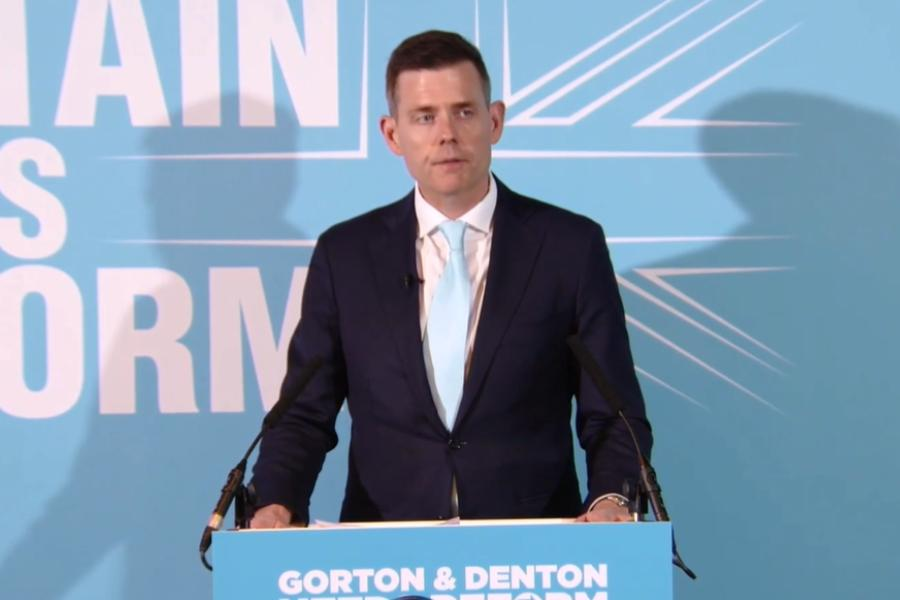
His Brexit analysis focused on several key factors:
- The disconnect between political elites and ordinary voters
- Regional differences in attitudes toward the EU
- Immigration concerns and their political impact
- The role of education and class in shaping EU attitudes
Pre-Referendum Insights
Before the 2016 referendum, Matt Goodwin was one of the few academics who argued that Brexit had a realistic chance of winning. His analysis of polling data and demographic trends showed that Leave had more support than many observers recognized.
He identified several warning signs that pro-EU campaigners missed:
- Strong opposition to EU membership in working-class communities
- Declining support for European integration among older voters
- Regional variations that favored Leave outside London and Scotland
- Weak enthusiasm for the EU even among many Remain voters
Media Presence and Public Engagement
Beyond his academic work, Matt Goodwin has built a significant media presence. He regularly appears on television and radio programs, writes for major newspapers, and maintains an active presence on social media platforms.
His media work includes:
- Regular appearances on BBC, Sky News, and other broadcasters
- Columns in The Sunday Times and other newspapers
- Active Twitter account with political commentary
- Speaking engagements at conferences and events
Communication Style
What sets Matt Goodwin apart from many academics is his ability to explain complex political concepts in everyday language. He avoids jargon and theoretical terminology, focusing instead on practical implications and real-world examples.
His communication approach emphasizes:
- Clear, simple explanations of political trends
- Use of data and evidence to support arguments
- Focus on what changes mean for ordinary people
- Willingness to challenge conventional wisdom
Key Publications and Books
Matt Goodwin has authored and co-authored several influential books that have shaped understanding of modern politics. His publications combine academic rigor with accessibility for general readers.
Major Works
“Revolt on the Right” (co-authored with Robert Ford) examines the rise of UKIP and its impact on British politics. The book explains how UKIP appealed to voters who felt left behind by mainstream parties.
“National Populism: The Revolt Against Liberal Democracy” (co-authored with Roger Eatwell) provides a comprehensive analysis of populist movements across Western democracies.
“Values, Voice and Virtue: The New British Politics” explores how British politics is being reshaped by cultural and value-based divisions rather than traditional left-right economics.
Academic Articles
Beyond books, Goodwin has published numerous academic articles in peer-reviewed journals. His research has appeared in leading political science publications and has been widely cited by other scholars.
Key research themes include:
- Electoral behavior and voting patterns
- Party system change and political disruption
- Immigration politics and public opinion
- Democratic legitimacy and institutional trust
Political Commentary Style
Matt Goodwin’s approach to political commentary combines academic analysis with practical insights. He focuses on data-driven explanations rather than partisan arguments, though his conclusions sometimes challenge progressive assumptions.
Also Read: https://flyermagazines.co.uk/nhs-hospital-critical-incident/
His commentary style features:
- Heavy use of polling data and statistical analysis
- Historical context for understanding current events
- Focus on long-term trends rather than daily political drama
- Willingness to make predictions based on evidence
Analytical Framework
Goodwin’s political analysis typically examines several key factors:
- Demographic changes and their political implications
- Economic conditions and voter responses
- Cultural shifts and identity politics
- Institutional trust and legitimacy issues
Controversial Positions and Debates
Matt Goodwin has faced criticism for some of his positions, particularly regarding immigration and multiculturalism. Critics argue that his work sometimes legitimizes anti-immigration sentiment, while supporters say he’s simply describing reality.
Immigration Research
His research on immigration politics has been particularly controversial. Goodwin argues that concerns about immigration are often dismissed by elites but reflect genuine community experiences and worries.


Key arguments in his immigration research:
- Public concern about immigration isn’t necessarily racist
- Rapid demographic change can create social tensions
- Policy makers need to address immigration concerns seriously
- Dismissing voter concerns can fuel populist backlash
Response to Criticism
Matt Goodwin has responded to criticism by emphasizing his commitment to evidence-based research. He argues that scholars have a responsibility to examine uncomfortable topics rather than avoiding them for political reasons.
Impact on British Political Discourse
Through his research and commentary, Matt Goodwin has influenced how people understand British political change. His work has helped explain major developments like Brexit, the decline of Labour in working-class areas, and the rise of new political movements.
Policy Influence
While primarily an academic, Goodwin’s research has influenced political debates and policy discussions. His analysis of voter behavior and political trends is regularly cited by politicians and policy makers.
Areas of influence include:
- Understanding of Brexit dynamics and aftermath
- Analysis of Red Wall constituencies and voter switching
- Insights into populist appeals and electoral strategies
- Research on democratic legitimacy and institutional trust
Public Understanding
Matt Goodwin has played an important role in helping the public understand complex political changes. His accessible writing and media appearances have made academic insights available to broader audiences.
Current Work and Future Projects
Matt Goodwin continues his research into political change and democratic challenges. His current work examines how British politics might evolve in the post-Brexit era and what new divisions might emerge.
Recent Focus Areas
His recent research has explored:
- Post-Brexit political realignment
- Generational differences in political attitudes
- The future of the Conservative and Labour parties
- Democratic legitimacy in an age of polarization
Ongoing Projects
Matt Goodwin is working on new research projects that examine long-term trends in British politics. These include studies of regional political differences, the role of education in shaping political attitudes, and the future of democratic institutions.
Platform Development
Beyond traditional academic work, Goodwin has been developing his own platform for political commentary through newsletters and direct audience engagement. This allows him to share analysis without the constraints of traditional media formats.
Matt Goodwin has established himself as one of Britain’s most influential political commentators through his combination of rigorous research and accessible communication. His work continues to shape understanding of political change and democratic challenges in modern Britain.
Whether you agree with his conclusions or not, Goodwin’s research provides valuable insights into the forces reshaping British politics. His commitment to evidence-based analysis and willingness to challenge conventional wisdom make him an important voice in contemporary political discourse.
What aspects of Matt Goodwin’s political analysis do you find most compelling? Share your thoughts in the comments below and join the conversation about the future of British politics.


