



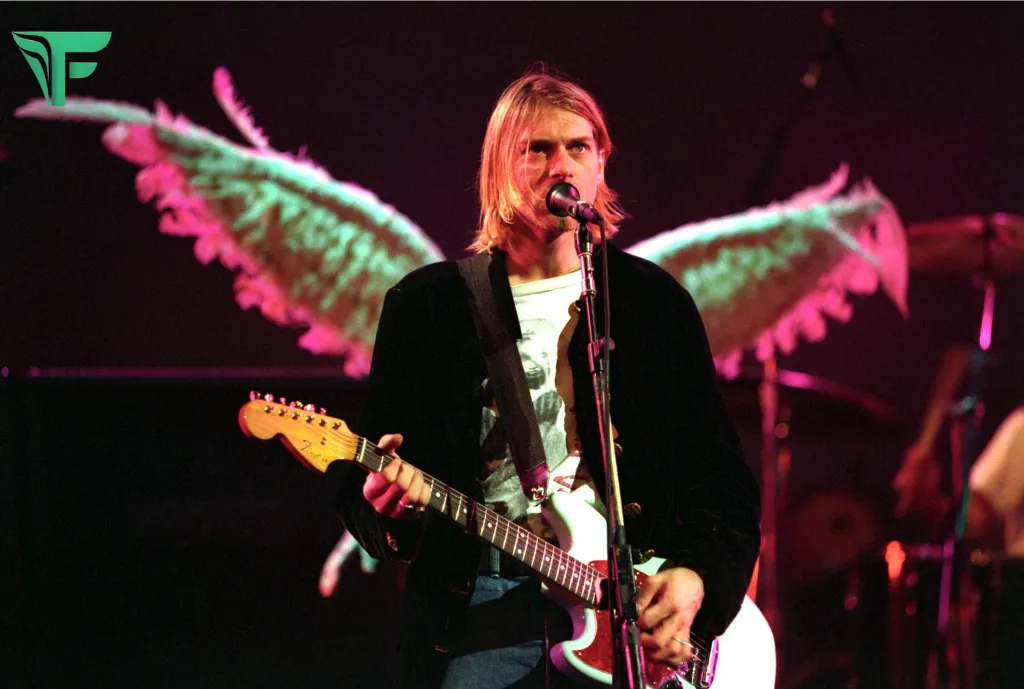
When we think about rock music in the 1990s, one name stands above all others: Kurt Cobain. The Nirvana frontman didn’t just make music – he changed an entire generation’s relationship with rock and roll. From his humble beginnings in Aberdeen, Washington, to becoming the reluctant voice of Generation X, Cobain’s story remains one of the most compelling in music history.
Early Life and Musical Beginnings
Kurt Donald Cobain was born on February 20, 1967, in Aberdeen, Washington, a small logging town that would heavily influence his worldview and music. Growing up in a working-class family, Cobain experienced the kind of economic hardship and social isolation that would later fuel his songwriting. His parents, Donald and Wendy, divorced when he was nine years old, an event that profoundly affected him and appeared repeatedly in his lyrics.
As a teenager, Cobain found refuge in music. He received his first guitar at age 14 and quickly became obsessed with punk rock bands like the Sex Pistols, Black Flag, and the Melvins. The raw energy and anti-establishment message of punk music resonated deeply with the young Cobain, who felt like an outsider in his small town.
Musical Education and Early Influences
Unlike many rock stars, Kurt Cobain was largely self-taught. He spent hours listening to records and learning songs by ear. His musical influences were diverse, ranging from punk legends like Black Flag to pop icons like the Beatles. This eclectic taste would later become a defining characteristic of Nirvana’s sound.
Some of Cobain’s key early influences included:
- The Pixies – Their quiet-loud dynamics heavily influenced Nirvana’s song structures
- Black Sabbath – Provided the heavy, distorted guitar foundation
- The Beatles – Taught him about melody and pop sensibilities
- Sonic Youth – Showed him alternative approaches to guitar tuning and feedback
The Formation of Nirvana
In 1987, Kurt Cobain met bassist Krist Novoselic, and together they formed what would eventually become Nirvana. The band went through several name changes – including Skid Row, Pen Cap Chew, and Bliss – before settling on Nirvana. Their early music was heavily influenced by the Pacific Northwest punk scene, particularly bands like the Melvins and Soundgarden.
The addition of drummer Dave Grohl in 1990 completed the classic Nirvana lineup. Grohl’s powerful, precise drumming provided the perfect foundation for Cobain’s songwriting and guitar work. This trio would go on to create some of the most influential rock music of all time.
Early Recordings and Local Success
Before achieving mainstream success, Nirvana released their debut album “Bleach” in 1989 on the independent Sub Pop label. The album was recorded for just $606 and showcased Kurt Cobain’s raw songwriting talent. While “Bleach” didn’t achieve commercial success initially, it established Nirvana as a force in the underground music scene.
The band’s live performances during this period were legendary for their intensity and unpredictability. Cobain’s stage presence was magnetic – he could go from whispering vocals to explosive screaming within seconds, often destroying equipment in the process.
Breakthrough Success and Nevermind
Everything changed for Kurt Cobain and Nirvana in 1991 with the release of “Nevermind.” The album, featuring the iconic single “Smells Like Teen Spirit,” catapulted the band from underground darlings to global superstars almost overnight. The success was unprecedented and largely unexpected.

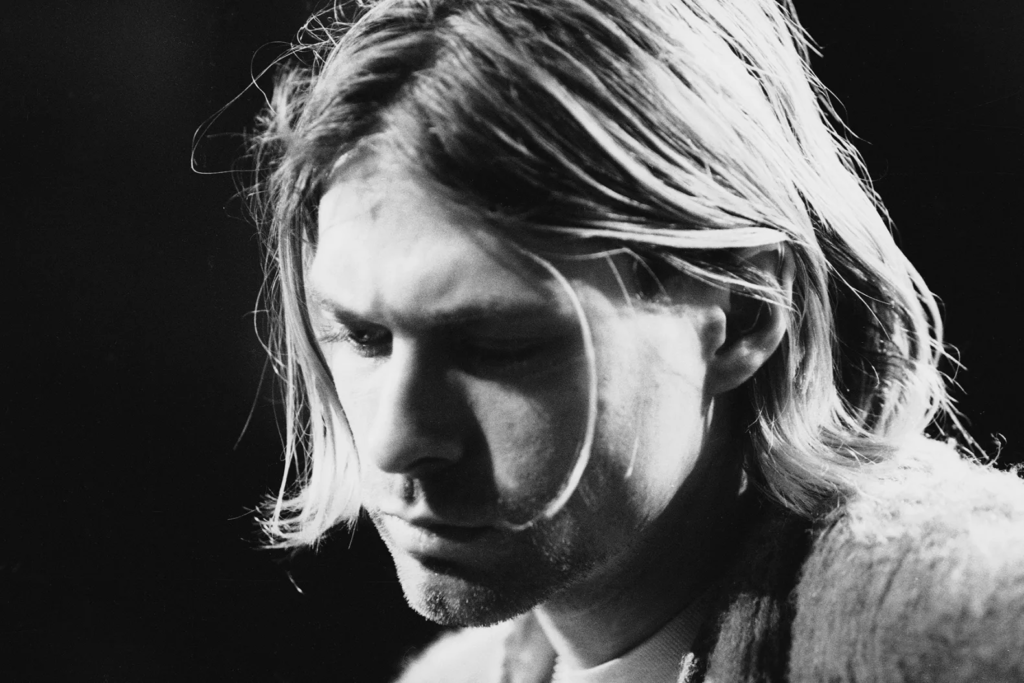
“Smells Like Teen Spirit” became an anthem for disaffected youth worldwide. Its simple yet powerful chord progression, combined with Cobain’s cryptic lyrics and raw vocal delivery, struck a chord with millions of listeners. The song’s music video, featuring a chaotic high school pep rally, became a staple on MTV and helped define the grunge aesthetic.
The Grunge Movement
Kurt Cobain became the reluctant spokesperson for the grunge movement, a musical and cultural phenomenon that emerged from Seattle in the late 1980s and early 1990s. Grunge was characterized by:
- Distorted guitars and heavy, sludgy sound
- Flannel shirts and thrift store clothing
- Anti-establishment lyrics focusing on alienation and social issues
- DIY ethics inherited from punk rock
- Rejection of rock star glamour in favor of authenticity
The success of “Nevermind” opened the floodgates for other Seattle bands like Pearl Jam, Soundgarden, and Alice in Chains. However, Cobain was uncomfortable with his role as a generational spokesperson and often expressed frustration with the media attention.
Personal Struggles and Fame
Despite his success, Kurt Cobain struggled deeply with fame and its consequences. He was a naturally shy person who preferred small, intimate venues to massive arenas. The constant media scrutiny and pressure to maintain Nirvana’s success took a significant toll on his mental health.
Cobain’s struggles were compounded by his battle with heroin addiction, which began in the early 1990s. He initially used the drug to self-medicate chronic stomach pain, but it quickly became a dependency that affected both his personal life and his music career.
Marriage to Courtney Love
In 1992, Kurt Cobain married Courtney Love, the lead singer of the band Hole. Their relationship was intense and often turbulent, played out in the public eye. Later that year, their daughter Frances Bean Cobain was born. Becoming a father was important to Cobain, who was determined to be a better parent than he felt his own parents had been.
The couple’s drug use became a major source of controversy, especially after Frances Bean was born. Child Protective Services briefly investigated the family, causing significant stress for both Cobain and Love.
Musical Style and Influences
Kurt Cobain’s approach to music was deceptively simple yet incredibly effective. His songwriting combined punk rock’s raw energy with pop music’s melodic sensibilities. This combination made Nirvana’s music accessible to mainstream audiences while maintaining underground credibility.
Songwriting Techniques
Cobain’s songwriting process was often intuitive and emotional rather than technical. He frequently wrote lyrics first, then created melodies and chord progressions to match the emotional content. His songs typically featured:
- Contrasting dynamics – quiet verses followed by explosive choruses
- Stream-of-consciousness lyrics that captured feelings rather than telling linear stories
- Simple but effective chord progressions that served the songs rather than showcasing technical skill
- Memorable hooks that stuck in listeners’ heads
Guitar Style and Equipment
As a guitarist, Kurt Cobain was more interested in creating atmosphere and emotion than displaying technical prowess. He used relatively simple equipment setup but achieved distinctive sounds through creative use of effects pedals and unconventional techniques.
Also Read: https://flyermagazines.co.uk/matt-goodwin/
His typical setup included:
- Fender Mustang or Jaguar guitars
- Marshall amplifiers cranked to high volume
- Boss DS-1 Distortion pedal for his signature overdriven sound
- Electro-Harmonix Small Clone Chorus for texture
Cultural Impact and Legacy
The influence of Kurt Cobain extends far beyond music. He helped shift popular culture away from the excess and superficiality of the 1980s toward a more authentic, introspective approach. His rejection of traditional rock star behavior inspired countless musicians to prioritize artistic integrity over commercial success.
Fashion and Style
Cobain’s fashion sense – or apparent lack thereof – became iconic. His preference for thrift store clothing, vintage band t-shirts, and worn-out Converse sneakers influenced fashion trends worldwide. The “grunge look” became synonymous with authenticity and rebellion against materialistic values.
Social and Political Views
Kurt Cobain was outspoken about social issues, particularly regarding women’s rights, LGBTQ+ rights, and racism. He frequently spoke out against sexism in the music industry and made efforts to create safe spaces at Nirvana concerts for all fans, regardless of gender or sexual orientation.
Tragic End and Aftermath
On April 5, 1994, Kurt Cobain was found dead at his Seattle home at the age of 27, having died by suicide. His death shocked the music world and marked the end of Nirvana. The tragedy highlighted the ongoing issues of mental health and addiction in the music industry.
Cobain’s death note referenced his struggles with fame and his feeling that he had lost his passion for music. The loss was felt not just by fans but by an entire generation who had found meaning in his music and message.
Impact on Music Industry
The death of Kurt Cobain forced the music industry to confront issues of artist mental health and the pressures of fame. It also marked the beginning of the end for the grunge movement, though its influence continued to shape rock music for decades to come.

Continuing Influence on Modern Music
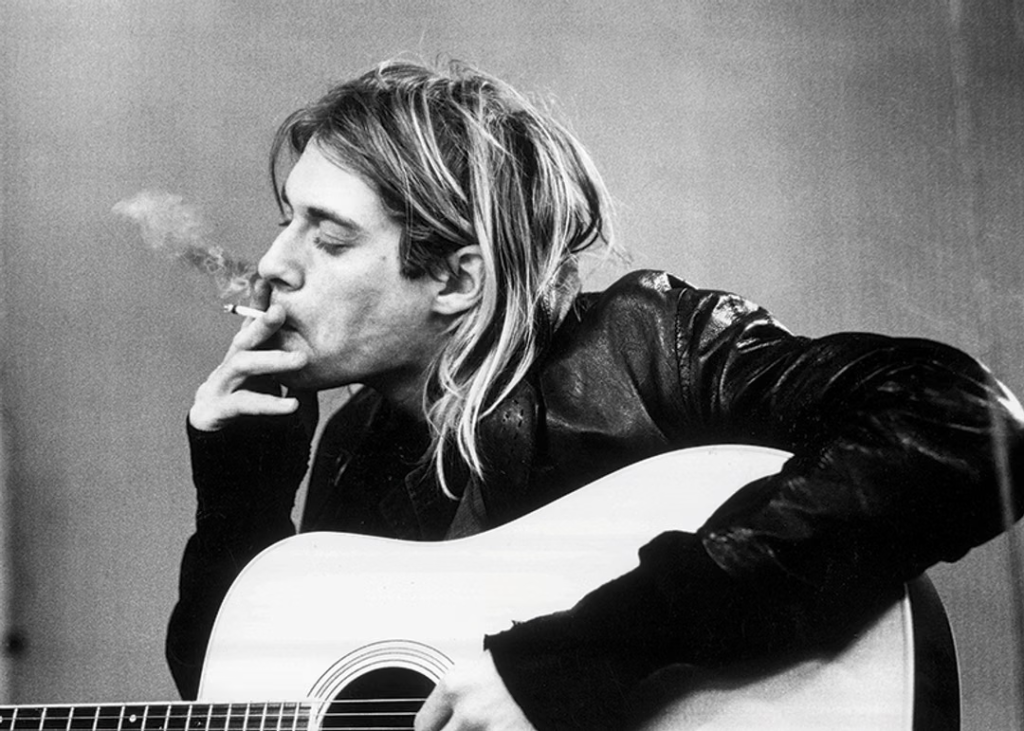
More than 25 years after his death, Kurt Cobain’s influence on music remains strong. Modern rock, punk, and alternative bands continue to cite Nirvana as a major influence. His approach to songwriting – prioritizing emotion and authenticity over technical perfection – continues to inspire new generations of musicians.
Modern Artists Influenced by Cobain
Contemporary artists who have acknowledged Kurt Cobain’s influence include:
- Foo Fighters (Dave Grohl’s post-Nirvana band)
- Radiohead
- Green Day
- My Chemical Romance
- Arctic Monkeys
- Billie Eilish
The story of Kurt Cobain remains relevant today because it speaks to universal themes of creativity, authenticity, and the struggle to maintain artistic integrity in a commercial world. His music continues to connect with new listeners who find in his songs the same sense of alienation and hope that resonated with fans in the 1990s. Whether you’re discovering Nirvana for the first time or revisiting their catalog, the power of Cobain’s music to move and inspire remains undiminished.
What aspects of Kurt Cobain’s music and legacy resonate most with you? Share your thoughts and favorite Nirvana songs in the comments below.


