



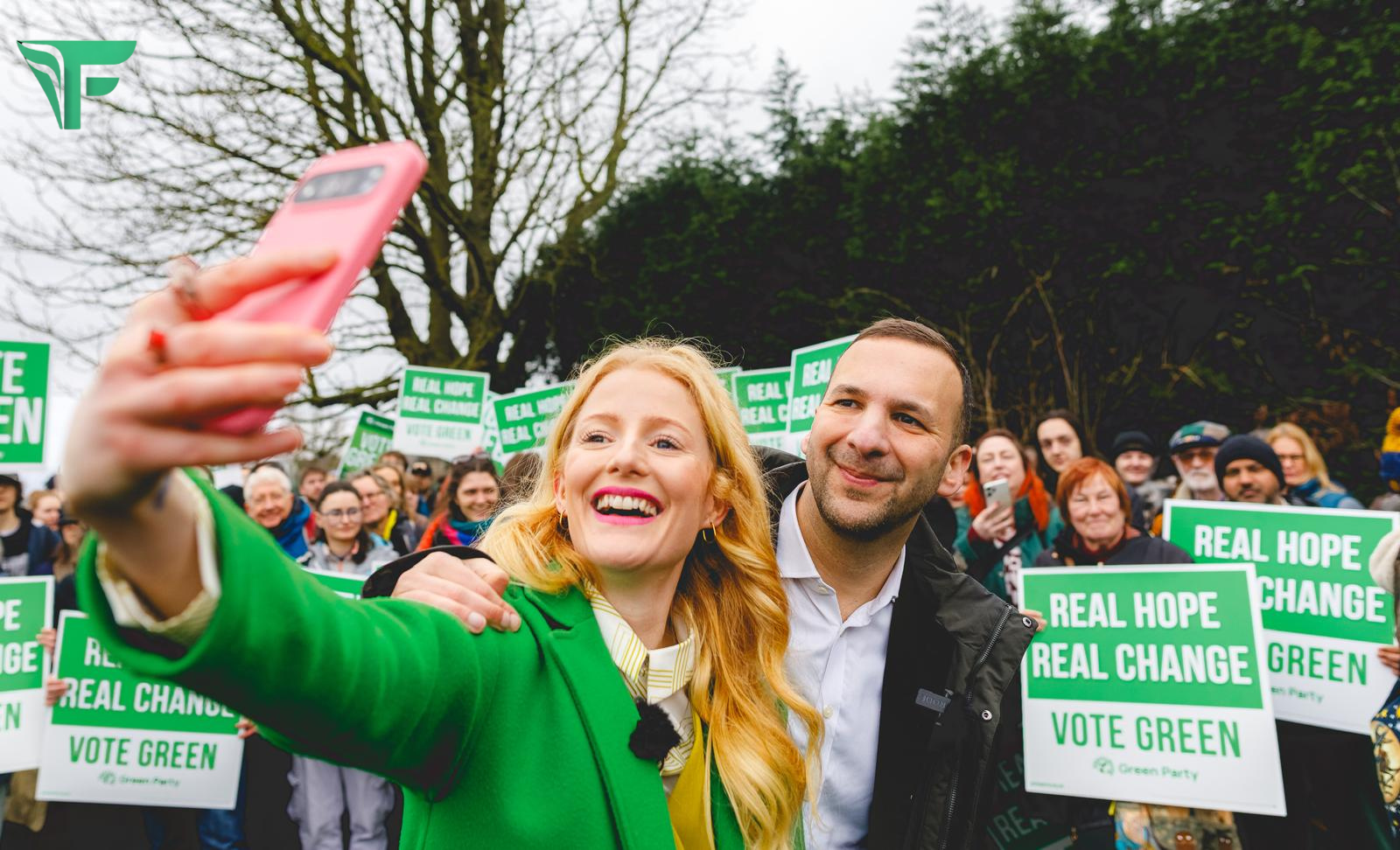
The green party movement has grown from a small group of environmental activists to a powerful force in modern politics. As climate change becomes more urgent and people worry about sustainability, green politics offers a different way to think about how governments should work.
What Is the Green Party
The green party represents a political movement that puts environmental protection at the center of everything they do. Unlike traditional political parties that focus mainly on economic growth or social issues, green parties believe that a healthy planet is the foundation for a healthy society.
Green parties around the world share similar goals, even though they operate in different countries with different political systems. They want to create policies that protect nature, fight climate change, and build sustainable economies that don’t harm the environment.
Key Characteristics of Green Parties
Most green parties share these common features:
- Environmental focus: Climate action and nature protection come first
- Grassroots organization: They rely on local communities rather than big corporations
- Social justice: They believe environmental problems affect poor communities the most
- Non-violence: They prefer peaceful solutions to conflicts
- Democracy: They want more citizen participation in government decisions
The green party movement started because many people felt that traditional parties weren’t taking environmental problems seriously enough. They wanted politicians who would make tough decisions to protect the planet, even if it meant changing how the economy works.
History and Origins of Green Politics
The modern green party movement began in the 1970s when environmental awareness was growing rapidly. The first official green party was founded in New Zealand in 1972, called the Values Party. This small group of activists wanted to show that politics could work differently.
In Europe, green parties started appearing in the late 1970s and early 1980s. The German Green Party, founded in 1980, became one of the most successful early examples. They grew out of anti-nuclear protests and environmental activism that was happening across Germany.
Early Environmental Movements
Before green parties existed, environmental activists worked through other organizations:
- Conservation groups: Focused on protecting specific natural areas
- Anti-nuclear movements: Opposed nuclear power and weapons
- Peace movements: Connected environmental destruction with war
- Student protests: Young people demanded action on environmental issues
These different groups eventually came together to form political parties that could run candidates for office and try to change laws from inside the government.
The success of early green parties inspired similar movements around the world. By the 1990s, green parties existed on every continent, though some had more success than others depending on their country’s political system.
Core Values and Political Platform
The green party platform goes beyond just environmental issues. Most green parties organize their policies around four main principles that guide all their decisions.
The Four Pillars of Green Politics
Ecological Wisdom: This means making decisions based on how they affect the environment for the long term. Green parties believe that humans are part of nature, not separate from it, so we need to live within the planet’s limits.
Social Justice: Environmental problems often hurt poor and minority communities the most. Green parties want to make sure that solutions to environmental problems also help reduce inequality and give everyone access to clean air, water, and healthy food.
Grassroots Democracy: Instead of letting big corporations and wealthy people control politics, green parties want ordinary citizens to have more say in decisions that affect their lives. They support things like citizen assemblies and local control over important issues.
Non-violence: Green parties prefer to solve conflicts through discussion and compromise rather than force. They often oppose military spending and want to redirect that money toward solving environmental and social problems.
Specific Policy Areas
Green parties typically focus on these policy areas:
Climate and Energy:
- Rapid transition to renewable energy sources
- Carbon taxes or cap-and-trade systems
- Investment in public transportation
- Energy efficiency programs for homes and businesses
Economic Policy:
- Support for small, local businesses
- Regulations on big corporations
- Universal basic income or similar social programs
- Sustainable agriculture and local food systems
Social Issues:
- Healthcare as a human right
- Education funding and student debt relief
- Housing affordability and homelessness prevention
- Criminal justice reform
The green party approach differs from other parties because they see all these issues as connected. They argue that you can’t solve environmental problems without also addressing poverty and inequality.
Green Party Success Stories Worldwide
While green parties often struggle to win major elections, they have achieved significant success in many countries. Their influence often goes beyond the number of seats they hold in government.
Germany: A Green Success Story
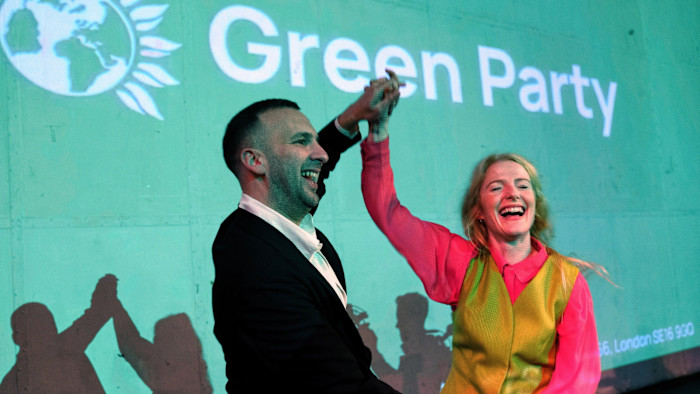
The German Green Party provides the best example of green party success. They first entered the national parliament in 1983 and have been part of coalition governments multiple times. In 2021, they received over 14% of the vote in federal elections.
The German Greens have helped create some of the world’s most ambitious climate policies. They pushed for Germany’s decision to phase out nuclear power and invest heavily in renewable energy. The country now generates over 40% of its electricity from renewable sources.

Other European Successes
Green parties have also found success across Europe:
- Ireland: The Green Party has been part of coalition governments and helped pass important climate legislation
- France: Europe Écologie–The Greens regularly wins seats in parliament and the European Parliament
- Netherlands: GreenLeft is a major opposition party that influences environmental policy
- Switzerland: The Green Party of Switzerland has grown rapidly in recent elections
Challenges in Two-Party Systems
In countries like the United States and United Kingdom, green parties face bigger challenges because of how elections work. The winner-take-all system makes it very hard for smaller parties to win seats.
The Green Party of the United States has run presidential candidates since 1996, but their main impact has been raising awareness of environmental issues and sometimes influencing the positions of major party candidates.
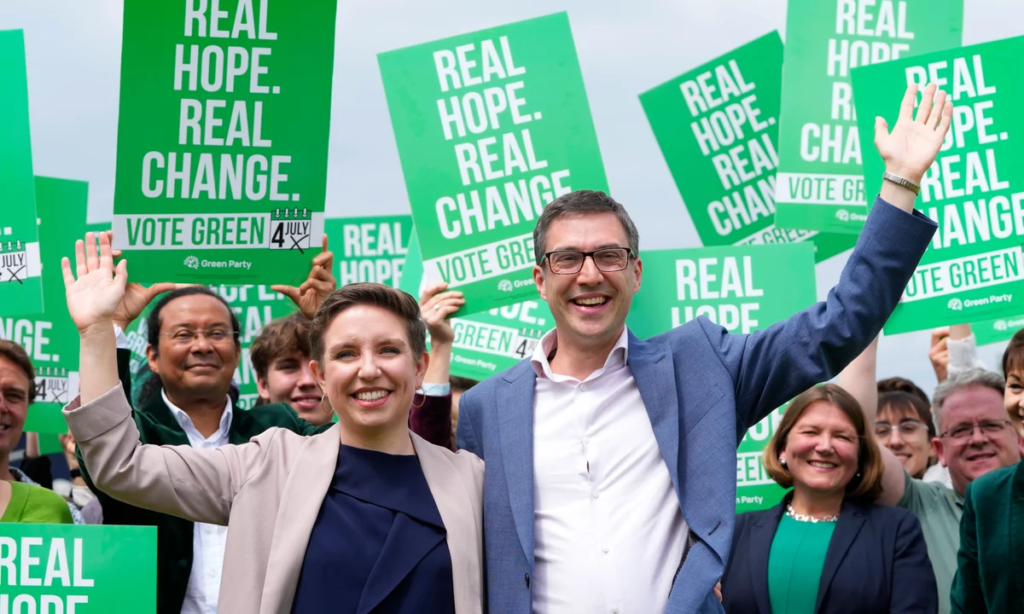
In the UK, the Green Party has won seats in local governments and has one member of Parliament, but struggles to compete with Labour and Conservative parties in most districts.
How Green Parties Impact Environmental Policy
Even when green parties don’t control governments, they often have a big impact on environmental policy. Their presence in politics forces other parties to take environmental issues more seriously.
Direct Policy Influence
When green parties join coalition governments, they can directly shape policy:
- Cabinet positions: Green party members often become environment ministers
- Legislative priorities: Coalition agreements include green party priorities
- Budget decisions: Money gets directed toward environmental programs
- International negotiations: Green parties push for stronger climate commitments
Indirect Influence Through Competition
Green parties also influence policy by competing with other parties for environmentally-conscious voters:
- Mainstream parties adopt green policies: To compete for votes, traditional parties take stronger environmental positions
- Media attention: Green party campaigns highlight environmental issues in the news
- Public debate: Green parties bring environmental topics into political discussions
- Pressure on governments: Green party criticism pushes ruling parties to do more on environmental issues
Local and Regional Impact
Many green parties have their biggest success at local levels:
- City governments: Green mayors and council members implement local environmental programs
- Regional authorities: Green parties influence transportation and land use planning
- Community organizing: Green party activists work on local environmental projects
- Education and awareness: Local green politicians help educate citizens about environmental issues
Challenges Facing Green Political Movements
Despite growing concern about climate change, green party movements face significant challenges in most countries. Understanding these obstacles helps explain why environmental politics can be difficult.
Electoral System Barriers
Many countries have electoral systems that make it hard for new parties to succeed:
First-past-the-post systems: In countries like the US and UK, voters often feel they have to choose between the two biggest parties, even if they prefer green party positions.
High thresholds: Some countries require parties to get 5% or more of the vote to enter parliament, which is difficult for smaller parties.
Campaign finance: Green parties usually have much less money than traditional parties, making it harder to reach voters with their message.
Economic Concerns
Many voters worry that environmental policies will hurt the economy:
Job losses: People in fossil fuel industries fear that green policies will eliminate their jobs
Higher costs: Environmental regulations can make some products more expensive
Economic uncertainty: Voters worry about major changes to how the economy works
Corporate opposition: Big businesses often oppose green party policies that would regulate their activities
Also Read: https://flyermagazines.co.uk/tell-me-lies-season-3/
Internal Challenges
Green parties also face challenges within their own movements:
Limited expertise: Green parties often lack experience in government and policy-making
Ideological debates: Members sometimes disagree about how radical their positions should be
Leadership development: Building strong leaders takes time and resources
Volunteer burnout: Relying on activists and volunteers can be unsustainable
Media and Communication Issues
Green parties often struggle to get their message across effectively:
Media coverage: News outlets may not take green parties seriously or give them equal coverage
Complex issues: Environmental problems can be hard to explain in simple terms
Competing priorities: Other issues like healthcare and education may seem more immediate to voters
Misinformation: Climate denial and environmental misinformation can undermine green party messages
Getting Involved in Green Politics
People interested in supporting green party movements have many ways to get involved, from voting to running for office themselves.
Voting and Elections
The most basic way to support green politics is through voting:
Learn about candidates: Research green party positions in your area
Primary elections: In some places, you can vote in green party primary elections to choose candidates
General elections: Vote for green party candidates when they appear on ballots
Local elections: Green parties often have the most success in local races
Volunteering and Activism
Green parties rely heavily on volunteers:
Campaign work: Help with phone calls, door-to-door canvassing, and voter outreach
Event organizing: Assist with rallies, fundraisers, and community meetings
Social media: Share green party messages and information online
Policy research: Help develop position papers and policy proposals
Financial Support
Like all political parties, green parties need money to operate:
Membership dues: Join your local green party as a paying member
Campaign donations: Contribute to specific candidates or campaigns
Event attendance: Buy tickets to green party fundraising events
Monthly giving: Set up regular donations to support ongoing activities
Running for Office
Green parties always need candidates willing to run for office:
Local positions: Start with city council, school board, or county positions
State legislature: Run for state-level offices where green parties might be competitive
Party leadership: Get involved in green party organization and leadership roles
Issue advocacy: Run issue-based campaigns even in races you’re unlikely to win
The Future of Green Party Politics
As environmental challenges become more urgent, the green party movement faces both opportunities and uncertainties about its future role in politics.

Growing Environmental Awareness
Several trends suggest that green politics may become more influential:
Climate change impacts: As extreme weather and environmental problems become more obvious, more voters may support green parties
Youth activism: Young people are particularly concerned about environmental issues and may drive green party growth
Corporate sustainability: Even businesses are adopting environmental goals, which may make green policies more acceptable
International cooperation: Global climate agreements create pressure for stronger environmental policies
Technological Changes
New technologies may help green parties overcome traditional obstacles:
Social media: Online organizing and communication can help green parties reach voters more effectively
Renewable energy: As clean energy becomes cheaper, green party economic arguments become stronger
Digital democracy: Online voting and citizen participation may align with green party values
Data analysis: Better voter targeting and campaign analytics may help green parties compete
Potential Political Realignments
Some political scientists believe that environmental issues may reshape politics in fundamental ways:
New political divisions: Instead of left versus right, politics might organize around environmental versus anti-environmental positions
Coalition building: Green parties might form new alliances with other groups concerned about sustainability
Mainstream adoption: Traditional parties might adopt so many green positions that separate green parties become less necessary
Crisis response: Major environmental disasters might suddenly increase support for green politics
Challenges Ahead
Green parties will also face new challenges:
Backlash effects: Success might trigger stronger opposition from fossil fuel industries and conservative movements
Governing experience: As green parties gain power, they’ll need to prove they can govern effectively
International coordination: Environmental problems cross borders, requiring green parties to work together globally
Balancing priorities: Green parties will need to address economic and social concerns while maintaining their environmental focus
Green parties around the world continue to grow and evolve as environmental challenges become more pressing. While they face significant obstacles, their influence on politics and policy continues to expand. Whether through direct electoral success or by pushing other parties to adopt environmental priorities, the green party movement plays an increasingly important role in modern democracy.
Ready to learn more about environmental politics? Research the green party organizations in your area and consider how you might get involved in creating a more sustainable future through political action.


