

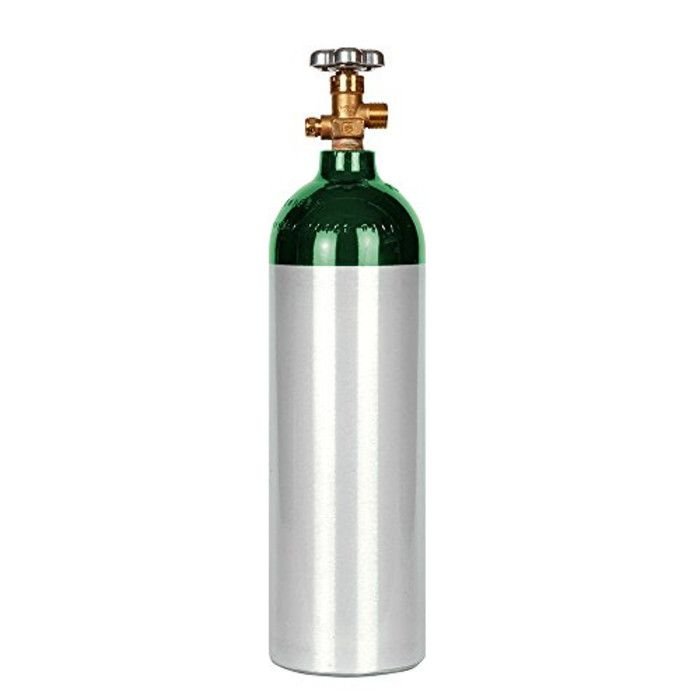
oxygen cylinder and the changing meaning of respiratory care
oxygen cylinder technology represents one of those medical necessities that rarely attracts attention until breathing becomes difficult. Unlike many modern devices designed to look sophisticated, a cylinder is deliberately straightforward: it stores oxygen under pressure so it can be delivered when the body needs additional support. Yet behind that familiar shape lies a significant story about medicine, emergency care, home treatment, and human resilience. Over time, access to supplemental oxygen has become an important part of healthcare systems, particularly for patients whose lungs cannot maintain adequate oxygen levels independently.
How compressed oxygen became a medical lifeline
The history of medical oxygen is closely connected with the development of modern respiratory medicine. Scientists gradually learned that oxygen was essential to human survival and that carefully controlled supplemental oxygen could support people experiencing serious breathing difficulties. As medical knowledge advanced, compressed-gas storage made oxygen more portable and practical. Consequently, hospitals, ambulances, clinics, and eventually homes could incorporate oxygen therapy into patient care. What began as a specialized medical resource therefore evolved into an essential component of emergency response and long-term respiratory support.
The engineering behind a familiar cylinder
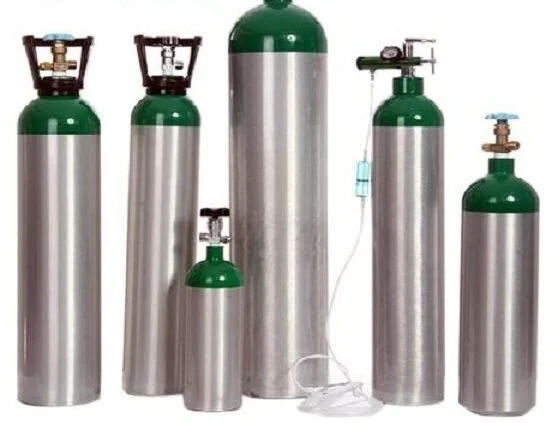
At first glance, an oxygen cylinder appears remarkably simple, but its construction reflects careful engineering and safety requirements. The container is designed to withstand high internal pressure, while valves and compatible regulators help control how oxygen is released. Depending on the model and intended application, cylinders vary in size, capacity, weight, and portability. Moreover, medical oxygen equipment is designed to work as part of a broader delivery system rather than as an isolated object. The cylinder stores the gas; appropriate equipment determines how that gas reaches the patient.
Why oxygen therapy requires more than simply having oxygen
Having supplemental oxygen available does not automatically mean that more oxygen is always better. Medical oxygen should be used according to appropriate clinical guidance because the required amount depends on the individual’s condition, oxygen levels, and treatment plan. Therefore, equipment selection and flow settings matter. A healthcare professional may determine whether a person needs continuous support, temporary assistance, or oxygen only during particular activities. This distinction is important because oxygen therapy is a medical treatment, not merely a wellness product. Responsible use begins with understanding why oxygen has been prescribed.
oxygen cylinder safety begins with everyday habits
Safety is perhaps the most important practical consideration surrounding oxygen equipment. Oxygen itself is not a fuel, but it can make combustion happen more rapidly and intensely. For that reason, cylinders should be kept away from flames, smoking materials, sparks, and other ignition sources. They also need appropriate storage so they cannot fall, roll, or become damaged. Furthermore, users should follow the instructions supplied by the manufacturer and healthcare provider. Small habits, such as handling valves carefully and keeping equipment properly maintained, can contribute significantly to safer oxygen therapy.
The role of oxygen in emergency medicine
In emergency settings, time can become a medical variable of its own. Ambulances, emergency departments, and other healthcare environments may use supplemental oxygen as part of treatment for patients experiencing certain breathing or circulation problems. The equipment must be immediately accessible, functional, and properly maintained. As a result, oxygen storage is not simply an inventory issue; it forms part of emergency preparedness. Behind every ready-to-use cylinder is a network of professionals responsible for checking supplies, maintaining equipment, transporting it safely, and ensuring that treatment can begin without unnecessary delay.
Home oxygen changes the rhythm of ordinary life
For people receiving long-term oxygen therapy, medical equipment can become part of everyday domestic life. A living room may accommodate storage equipment, while daily routines may need to account for tubing, mobility, appointments, and cylinder replacement. Nevertheless, oxygen therapy can also provide an important sense of independence when it enables someone to perform ordinary activities with greater confidence. Families often become part of the process too, learning safe handling practices and understanding the patient’s prescribed routine. In this way, respiratory care extends beyond hospitals into the intimate spaces of everyday life.
Portability has transformed the patient experience
The development of smaller and more portable oxygen systems has changed expectations around mobility. Traditional large cylinders can be difficult to carry, particularly for older adults or people with limited strength. Portable options, depending on medical suitability, can make it easier for patients to attend appointments, spend time outdoors, or remain socially connected. However, portability should never be confused with universal suitability. The right system depends on clinical requirements, prescribed oxygen delivery, duration of use, and individual circumstances. Ultimately, good respiratory equipment should support both safety and a person’s ability to participate in life.
The emotional side of living with respiratory equipment
There is also a psychological dimension that technical descriptions often overlook. Some people initially associate oxygen equipment with illness, vulnerability, or a loss of independence. Carrying visible medical equipment in public can attract unwanted attention, while family members may become anxious about handling it correctly. Gradually, however, many patients come to view respiratory equipment less as a symbol of limitation and more as a tool that supports daily living. That shift in perception can matter enormously. Medical technology becomes easier to accept when it is understood as an instrument for maintaining dignity, connection, and autonomy.
Choosing the right equipment is a clinical decision
Selecting an oxygen system should involve healthcare professionals rather than being based solely on appearance, price, or convenience. Important considerations can include prescribed oxygen flow, expected duration of use, portability, storage requirements, and compatibility with delivery equipment. In addition, patients may have different needs during sleep, exercise, travel, or ordinary household activities. Consequently, a device that works well for one person may be unsuitable for another. The most useful question is not simply which oxygen cylinder is largest or smallest, but which medically appropriate system safely matches the patient’s treatment plan.
What the future may bring to oxygen therapy
Respiratory technology continues to evolve, with greater attention being given to portability, monitoring, energy efficiency, and patient independence. Digital monitoring can potentially provide clinicians with better information about treatment patterns, while lighter equipment may reduce the physical burden of carrying medical supplies. At the same time, healthcare systems continue to consider how oxygen can be delivered reliably outside major hospitals. The future, therefore, is unlikely to be defined by one dramatic invention. Instead, progress may come through many smaller improvements that make respiratory treatment safer, more responsive, and easier to integrate into ordinary life.
A technology measured in moments rather than machinery
The cultural significance of an oxygen cylinder is ultimately found not in its metal body but in the moments it can help preserve. It may accompany someone through a difficult night, support a patient during recovery, or allow another person to leave home and attend an important family gathering. Because breathing is so fundamental, assistance with breathing carries an unusually intimate meaning. The technology is therefore both practical and deeply human. It reminds us that some of medicine’s most valuable achievements are not spectacular machines, but dependable tools that quietly help people continue living.
FAQs about oxygen therapy equipment
What is an oxygen cylinder used for?
It stores compressed medical oxygen for delivery to a patient when supplemental oxygen has been prescribed by a healthcare professional.
Can anyone use an oxygen cylinder?
No. Oxygen therapy should be used according to medical advice, including the prescribed delivery method and flow rate.
Why is oxygen equipment kept away from flames?
Oxygen can intensify combustion, so smoking, open flames, sparks, and other ignition sources should be kept away from oxygen equipment.
Does cylinder size determine how long oxygen will last?
Not by itself. Duration depends on factors including cylinder capacity and the prescribed oxygen flow rate.
Can oxygen therapy be used at home?
Yes, when prescribed and appropriately managed. Patients and caregivers should receive clear instructions about storage, handling, delivery equipment, and safety.
Conclusion: when technology becomes part of human resilience
An oxygen cylinder may look like a simple piece of medical equipment, yet its significance reaches far beyond its physical form. It represents decades of scientific progress, careful engineering, clinical knowledge, and the everyday work of healthcare professionals. More importantly, it can become part of a person’s effort to maintain independence when breathing becomes difficult. As medicine continues to develop, the most meaningful innovations will remain those that connect technical capability with human needs. In that sense, respiratory equipment is not simply about supplying oxygen; it is about helping people preserve moments, relationships, routines, and the ordinary experiences that give life its meaning.
