

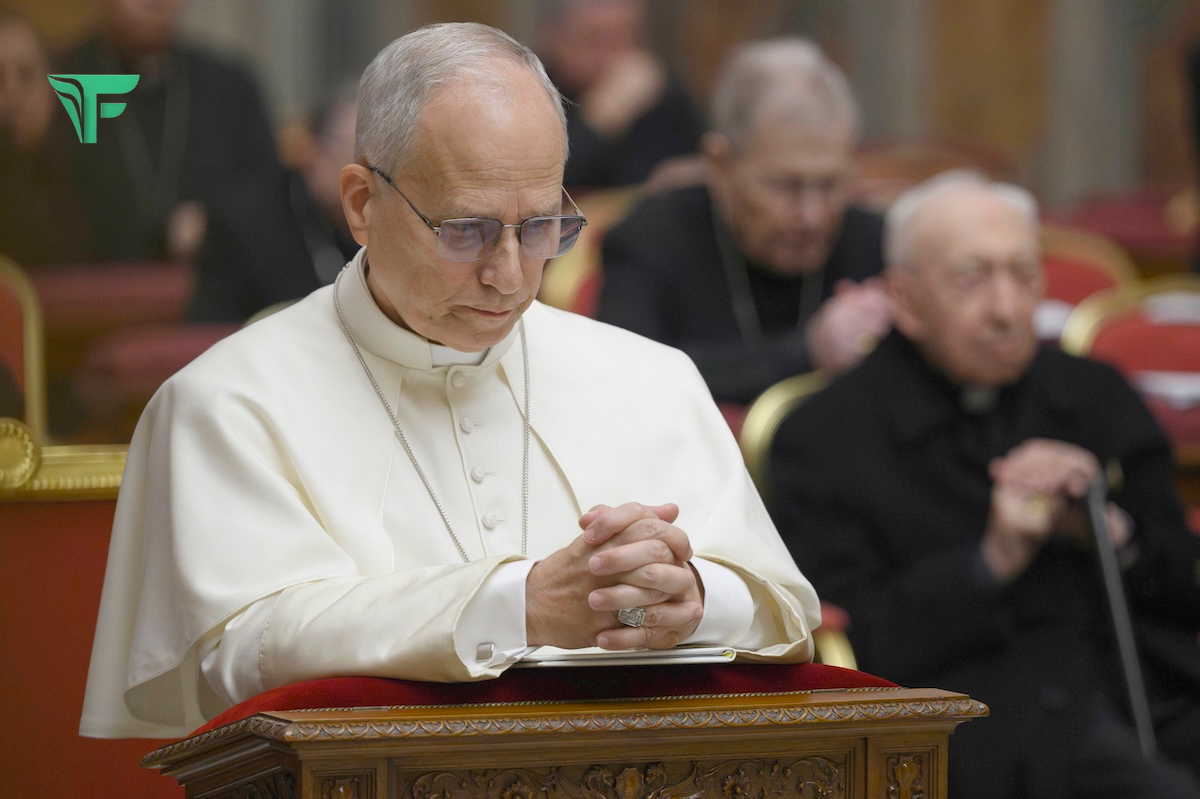
Introduction to the Pope Leo Legacy
The name Pope Leo carries enormous weight in Catholic Church history. Across thirteen centuries, thirteen different popes have taken the name Leo, each leaving a unique mark on Christianity and world history. These papal leaders shaped doctrine, defended the faith, crowned emperors, and guided the Church through some of its most challenging periods.
From Pope Leo I, who stood against Attila the Hun, to Pope Leo XIII, who addressed modern social issues, the legacy of papal leadership under this name spans from the ancient world to the modern era. Understanding these remarkable Church leaders helps us grasp how the Catholic Church developed into the global institution we know today.
Pope Leo I: The Great Foundation
Early Life and Rise to Power
Pope Leo I, known as Leo the Great, served from 440 to 461 AD during one of history’s most turbulent periods. Born around 400 AD, he became pope when the Roman Empire was crumbling and barbarian tribes threatened civilization itself. His papal leadership would prove crucial for both the Church and Western Europe.
Confronting Attila the Hun
The most famous story about Pope Leo I involves his legendary meeting with Attila the Hun in 452 AD. When Attila’s army approached Rome, ready to sack the city, Leo traveled north to meet the barbarian leader personally. Historical accounts suggest that Leo’s presence and words convinced Attila to turn back, sparing Rome from destruction. This diplomatic victory established the pope as not just a spiritual leader but a temporal protector of his people.
Theological Contributions
Pope Leo I made lasting contributions to Christian doctrine. His famous “Tome of Leo” addressed the nature of Christ, arguing that Jesus possessed both divine and human natures in one person. This theological work influenced the Council of Chalcedon in 451 AD and remains important to Christian theology today.
Administrative Reforms
Leo strengthened papal authority throughout the Church. He established clear guidelines for:
- Clerical conduct and duties
- Liturgical practices
- Church discipline
- Relations with other bishops
Pope Leo III: The Crowning Achievement
Political Challenges and Exile
Pope Leo III ruled from 795 to 816 AD, facing significant political opposition in Rome. In 799 AD, his enemies attacked him during a religious procession, attempting to blind him and cut out his tongue. Leo escaped and fled to Charlemagne’s court for protection.
The Crowning of Charlemagne
The most significant event of Leo III’s papacy occurred on Christmas Day, 800 AD, when he crowned Charlemagne as Holy Roman Emperor. This act had profound consequences:
- Established the Holy Roman Empire
- Created a new relationship between Church and state
- Shifted power dynamics in medieval Europe
- Set precedents for future papal-imperial relations
This crowning represented a pivotal moment in European history, essentially creating a new form of Christian empire that would last for centuries.
Diplomatic Skills
Pope Leo III demonstrated remarkable diplomatic abilities throughout his reign. He successfully navigated complex relationships with:
- Byzantine emperors
- Frankish kings
- Roman nobility
- Various European rulers
Pope Leo IV: The Fortress Builder
Defending Against Saracen Attacks
Pope Leo IV served from 847 to 855 AD during a period of Muslim raids on Italian territory. The Saracens had already attacked Rome in 846 AD, prompting Leo to take decisive defensive action.
Construction of the Leonine Wall
Leo’s most lasting achievement was building fortifications around Vatican Hill, including St. Peter’s Basilica. These walls, called the Leonine Wall, protected the most sacred areas of Christian Rome. The construction project required:
- Massive financial resources
- Coordination of thousands of workers
- Strategic military planning
- Diplomatic negotiations with local leaders
Military Leadership
Unlike many popes, Leo IV took active military command. In 849 AD, he organized a naval battle against Saracen forces near Ostia, achieving a decisive victory that protected Rome from further Muslim attacks.
Pope Leo IX: The Great Reformer
Reform Movement Leadership
Pope Leo IX reigned from 1049 to 1054 AD during a crucial period of Church reform. He worked tirelessly to address corruption and restore spiritual discipline throughout the Catholic Church.
Key Reforms Implemented
Leo IX implemented sweeping changes across multiple areas:
Clerical Reform:
- Enforced celibacy requirements for priests
- Eliminated simony (buying Church positions)
- Improved clerical education standards
- Established better oversight of local bishops
Administrative Reform:
- Reorganized papal bureaucracy
- Improved communication between Rome and distant dioceses
- Standardized liturgical practices
- Enhanced financial accountability
The Great Schism of 1054
Unfortunately, Pope Leo IX’s papacy ended with the formal split between Eastern and Western Christianity. Disputes over papal authority, theological differences, and cultural misunderstandings led to mutual excommunications between Rome and Constantinople, creating a division that persists today.
Pope Leo X: Renaissance and Reformation
The Medici Pope
Pope Leo X, born Giovanni de’ Medici, ruled from 1513 to 1521 during the height of the Renaissance. His papacy represented both the cultural achievements and spiritual challenges of this remarkable period.
Patron of Arts and Learning
Leo X was an enthusiastic supporter of Renaissance culture:
- Commissioned works from Raphael and other masters
- Expanded the Vatican Library
- Supported humanist scholars
- Promoted musical and literary arts
The Luther Challenge
The most significant challenge of Leo X’s papacy came from Martin Luther’s protest against Church practices. When Luther posted his 95 Theses in 1517, Leo initially dismissed the German monk as a minor nuisance. This underestimation proved costly, as Luther’s movement grew into the Protestant Reformation.
Also Read: https://flyermagazines.co.uk/craig-monk-net-worth/
Financial Controversies
Leo X faced constant financial pressures due to his expensive artistic patronage and lavish lifestyle. His authorization of indulgence sales to fund St. Peter’s Basilica construction became one of Luther’s primary complaints and helped spark the Reformation.
Pope Leo XIII: The Modern Social Teacher
Longest-Serving Leo
Pope Leo XIII served from 1878 to 1903, making him the longest-reigning pope named Leo. His 25-year papacy bridged the 19th and 20th centuries, addressing modern challenges facing the Catholic Church.
Rerum Novarum: Groundbreaking Social Teaching
Leo XIII’s most important contribution was his 1891 encyclical “Rerum Novarum” (Of New Things), which addressed:
Workers’ Rights:
- Fair wages for laborers
- Reasonable working conditions
- Right to form unions
- Protection of family life
Social Justice:
- Obligations of employers to employees
- Role of government in protecting workers
- Church’s responsibility for social issues
- Balance between socialism and capitalism
Intellectual Revival
Pope Leo XIII promoted Catholic intellectual life through:
- Neo-Thomist philosophy revival
- Improved seminary education
- Encouragement of Catholic universities
- Dialogue with modern science
Diplomatic Achievements
Leo XIII worked to improve the Church’s relationship with modern governments, achieving diplomatic breakthroughs with several European nations and addressing the “Roman Question” that arose after the loss of the Papal States.
Common Themes Among the Pope Leo Leaders
Strength in Crisis
Every Pope Leo faced significant challenges during their reign:
- External military threats
- Internal Church corruption
- Political upheaval
- Theological controversies
Diplomatic Excellence
The papal leaders named Leo consistently demonstrated exceptional diplomatic skills, often serving as mediators between competing powers and finding peaceful solutions to complex problems.
Institutional Building
Each Pope Leo contributed to strengthening Church institutions:
- Administrative reforms
- Doctrinal clarifications
- Educational improvements
- Physical infrastructure
Temporal Authority
Many Pope Leo figures exercised significant political power, demonstrating the complex relationship between spiritual and temporal authority throughout Church history.
Impact on Modern Catholic Church
Lasting Doctrinal Contributions
The theological work of various Pope Leo figures continues to influence Catholic teaching today:
- Christological doctrine from Leo I
- Social teaching principles from Leo XIII
- Reform principles from Leo IX
- Church-state relationship concepts from Leo III
Administrative Precedents
Modern papal administration still reflects organizational principles established by these historical Church leaders:
Centralized Authority:
- Clear hierarchical structures
- Direct papal oversight of bishops
- Standardized practices across dioceses
Diplomatic Relations:
- Vatican’s role in international affairs
- Papal mediation in conflicts
- Relationships with world governments
Cultural Legacy
The Pope Leo tradition established important precedents for:
- Church patronage of arts and culture
- Intellectual engagement with contemporary issues
- Social justice advocacy
- Interfaith and international dialogue
Frequently Asked Questions {#faq}
How Many Popes Have Been Named Leo?
Thirteen popes have taken the name Leo throughout Church history, spanning from Leo I in the 5th century to Leo XIII in the early 20th century.
Which Pope Leo Was Most Important?
While all were significant, Leo I (the Great) and Leo XIII are often considered the most influential due to their lasting contributions to Church doctrine and social teaching.
Why Did So Many Popes Choose the Name Leo?
The name Leo, meaning “lion,” symbolizes strength and courage. Popes likely chose this name to convey their determination to defend the Church and lead with boldness.
What Happened to the Pope Leo Tradition?
No pope has taken the name Leo since Leo XIII died in 1903, though future popes could certainly revive this distinguished tradition.
The legacy of Pope Leo leadership spans over thirteen centuries of Church history, demonstrating how individual papal leadership can shape both religious institutions and world history. From defending Rome against barbarians to addressing modern social issues, these remarkable Church leaders established precedents that continue influencing the Catholic Church today. Understanding their contributions helps us appreciate how the papacy evolved into its modern form while maintaining essential spiritual authority and moral leadership in an ever-changing world.
