



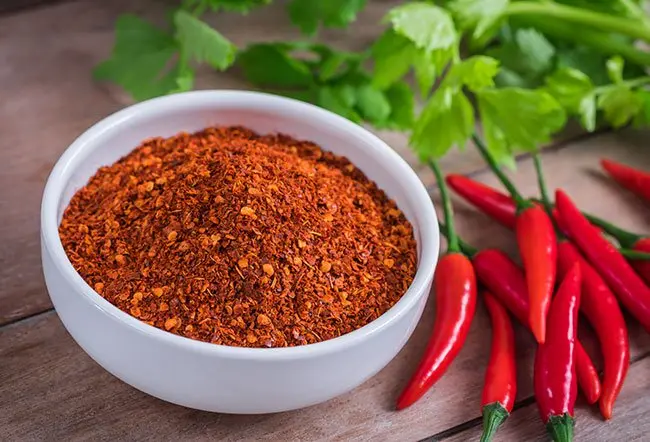
20 benefits of cayenne pepper begin with a surprisingly small ingredient
20 benefits of cayenne pepper often sound like an extravagant wellness claim, yet the story is more nuanced. Cayenne is a culinary spice whose signature compound, capsaicin, interacts with the body in several interesting ways. Historically, hot peppers have traveled across cuisines, from Latin American kitchens to South Asian cooking traditions, where heat is often inseparable from flavor and identity. Today, researchers are examining capsaicin for its possible effects on pain, metabolism, appetite and cardiovascular markers. Still, potential benefits should not be confused with proven treatments.
A source of useful plant compounds
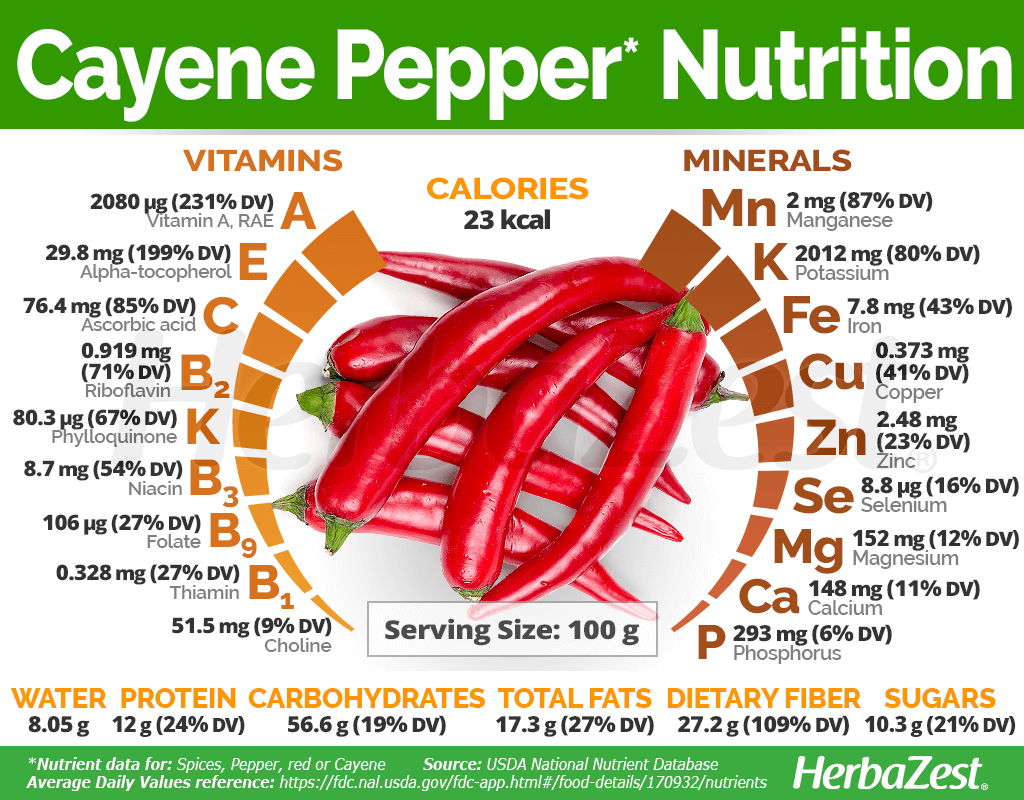
Cayenne contains capsaicinoids, the compounds responsible for its characteristic heat. In addition, peppers can contribute antioxidant compounds and small amounts of vitamins and minerals, although the nutritional contribution depends heavily on how much is consumed. Because cayenne is normally eaten in relatively small quantities, it is better viewed as a flavorful addition to an overall healthy diet rather than a major nutrient source. Nevertheless, its concentrated bioactive compounds help explain why this familiar kitchen spice has attracted scientific and cultural interest for generations.
1. May support a healthy metabolism
One of the most discussed potential advantages is its relationship with energy expenditure. Research examining capsaicinoids has found modest increases in resting metabolic rate and fat oxidation in some controlled studies. A systematic review and meta-analysis reported an average increase in resting metabolic rate of roughly 34 calories per day, although researchers emphasized the need for better-quality studies. Therefore, cayenne should not be portrayed as a magic metabolism booster. Instead, it may provide a small metabolic effect when incorporated into a broader pattern of nutritious eating and regular activity.
2. May help moderate appetite
Another intriguing possibility is appetite regulation. Some research suggests that consuming capsaicinoids before a meal may reduce energy intake during that meal. One meta-analysis found a modest reduction, although the studies were relatively small and showed considerable variation. Consequently, cayenne may influence the sensory experience of eating and feelings of fullness for some people, but it should not replace balanced meals. Its greatest practical value may simply be helping make vegetables, beans, grains and lean proteins more flavorful without relying heavily on calorie-dense sauces.
3. May contribute to weight-management efforts
Weight management is more complicated than burning calories, and cayenne illustrates that point well. Research has explored whether capsaicinoids could modestly influence appetite, thermogenesis and food intake. Some findings are promising, yet they remain insufficient to establish cayenne as an independent weight-loss treatment. Still, adding a little spice to nutritious meals can support a varied eating pattern. In that sense, its value may be less about a dramatic physiological transformation and more about making healthy food satisfying enough to enjoy consistently.
4. May support cardiovascular health
Cayenne has also entered conversations about heart health because capsaicin may influence vascular and metabolic pathways. However, the evidence deserves careful interpretation. A 2026 systematic review of randomized trials found possible small effects on total cholesterol and diastolic blood pressure, but the researchers rated the overall certainty as low to very low and noted that results were not robust. Therefore, cayenne can be part of a heart-conscious diet, but it should never be presented as a substitute for established cardiovascular care.
5. May add antioxidant variety to the diet
Plant foods are valued partly because they provide a broad mixture of bioactive compounds, and peppers are no exception. Cayenne contains capsaicinoids and other plant compounds that have demonstrated antioxidant activity in laboratory research. However, laboratory findings do not automatically translate into a measurable health outcome in people. Even so, incorporating different colorful plants and spices into meals is a practical way to diversify dietary compounds. Cayenne therefore fits naturally into a food-first approach in which variety matters more than treating any single ingredient as a cure-all.
6. May encourage more flavorful healthy eating
Sometimes the most meaningful benefit of a spice is culinary rather than medical. Cayenne can transform otherwise ordinary vegetables, soups, eggs, legumes and whole grains with very little added energy. As a result, it can help people build meals around nutritious ingredients without depending on heavy sauces, excessive sugar or large quantities of fat. Across cultures, spices have historically performed this role: they make everyday food distinctive. Cayenne’s contribution to healthy eating may therefore begin at the table, where enjoyment strongly influences whether people maintain dietary habits over time.
7. May support digestive comfort for some people
Cayenne is frequently associated with digestion, although the evidence is more limited than popular wellness articles sometimes suggest. Capsaicin interacts with sensory receptors throughout the digestive tract, creating physiological responses that researchers continue to investigate. For some individuals, small culinary amounts may sit comfortably within meals. For others, spicy foods can cause burning, reflux or abdominal discomfort. Thus, digestive responses are highly individual. The sensible approach is to treat cayenne as a food ingredient rather than assuming that increasing the dose will automatically improve digestive health.
8. May influence blood-sugar-related pathways
Researchers have investigated capsaicin in relation to glucose metabolism and insulin-related measures. Yet the evidence remains mixed. The 2026 cardiovascular meta-analysis found no significant overall effects on glucose, insulin, HOMA-IR or HbA1c across the included randomized trials. This distinction matters because potential biological mechanisms are not the same as proven clinical benefits. Cayenne can certainly accompany a balanced diet centered on vegetables, whole grains, protein and fiber, but people managing diabetes should not use supplements or large amounts of cayenne as a replacement for medical treatment.
9. Has a notable role in pain research
Perhaps the strongest clinical story surrounding capsaicin involves pain management. When used topically in appropriate preparations, cayenne-derived capsaicin has been studied for several painful conditions. The National Center for Complementary and Integrative Health notes that topical cayenne preparations may help relieve low-back pain, while topical capsaicin is also conditionally recommended for knee osteoarthritis in some guidance. This is very different from claiming that eating cayenne treats pain, so the distinction between culinary use and topical medical preparations is important.
10. May support thermogenesis
Thermogenesis refers to the body’s production of heat and associated energy expenditure. Capsaicinoids have attracted attention because controlled research suggests they can modestly increase resting energy expenditure and fat oxidation. Nevertheless, the effect is relatively small and should be placed in context. A person’s total energy balance, physical activity, sleep, food intake and genetics have far greater practical importance. Cayenne’s thermogenic reputation is therefore best understood as an interesting physiological effect rather than a shortcut to substantial fat loss.
11. May make plant-based meals more appealing
For people trying to eat more beans, lentils, vegetables or whole grains, flavor can be just as important as nutrition. Cayenne provides intense heat without adding much volume or energy, allowing cooks to create contrast and complexity. Furthermore, it pairs naturally with garlic, ginger, tomatoes, citrus, herbs and legumes. This makes it useful across numerous culinary traditions. Rather than asking whether one spice can transform health, a more productive question is whether it can make nutritious meals enjoyable enough to become everyday habits. In many kitchens, the answer is yes.
12. May complement a heart-conscious eating pattern
Although cayenne itself is not a cardiovascular treatment, it can fit comfortably into dietary patterns that emphasize minimally processed foods. Instead of relying on rich dressings or salty sauces for flavor, cooks can use spices, herbs, citrus and aromatics. That broader pattern matters far more than any individual ingredient. Current evidence on capsaicin and cardiovascular risk factors remains uncertain, with recent research calling for larger and longer trials. Therefore, cayenne is best considered one flavorful detail within a larger heart-conscious lifestyle.
13. May help diversify everyday meals
Dietary monotony can make healthy eating feel like a chore. Cayenne offers a simple way to change the character of familiar foods without rebuilding an entire recipe. A small amount can turn roasted vegetables smoky and warm, give beans more depth, or bring brightness to soups and marinades. Consequently, its value extends beyond nutrients. Food has an emotional and cultural dimension, and spices often carry memories of family kitchens, regional dishes and shared meals. Cayenne can therefore contribute to variety while keeping healthy cooking imaginative.
14. May provide culinary intensity with few calories
One practical attraction of cayenne is its ability to deliver a powerful sensory effect in a very small quantity. Unlike creamy sauces, cheese-based toppings or sugary condiments, the spice itself contributes relatively little energy when used conventionally. That makes it useful for people who want meals to taste bold without automatically adding substantial calories. Of course, what accompanies the cayenne still matters. A heavily fried or sugar-rich dish does not become nutritionally balanced simply because it contains chili powder. The surrounding meal remains the central consideration.
15. May stimulate sensory enjoyment of food
Capsaicin does more than create flavor; it activates sensory receptors associated with heat and irritation. That distinctive sensation is one reason chili peppers have become deeply embedded in cuisines around the world. For many diners, the experience is pleasurable precisely because it is intense. Moreover, spice preferences can become part of personal identity and family tradition. Cayenne’s significance, therefore, cannot be measured only through nutrient charts. Its ability to create sensory excitement can make ordinary meals feel more memorable and culturally expressive.
16. May support interest in functional foods
Modern consumers increasingly look for foods that provide more than basic calories, and cayenne fits neatly into this functional-food conversation. Capsaicin has been investigated for metabolic, cardiovascular and pain-related effects, although the strength of evidence varies considerably by outcome. This makes cayenne an interesting example of how traditional ingredients can become subjects of modern scientific research. At the same time, responsible nutrition requires resisting exaggerated claims. A promising compound is not automatically a proven therapy, and food should not be marketed as medicine without evidence.
17. May complement an active lifestyle
For active people, the appeal of cayenne is usually indirect. It can make protein-rich meals, vegetables, beans and whole grains more enjoyable, helping create a varied diet around exercise. Research into capsaicinoids has also examined energy expenditure and fat oxidation, although these effects are modest. Therefore, athletes and recreational exercisers should see cayenne as a seasoning rather than a performance enhancer. Hydration, adequate protein, carbohydrates, sleep and appropriate training remain much more important foundations for physical performance.
18. May connect modern nutrition with traditional foodways
Cayenne’s story also demonstrates how traditional food practices can intersect with contemporary nutrition science. Hot peppers have been used as food and in traditional practices for centuries, while modern researchers now investigate capsaicin through controlled experiments and systematic reviews. That meeting of old and new is culturally significant. It reminds us that many ingredients now described as “functional” were already valued by communities for flavor, preservation and culinary identity long before laboratories began studying their individual compounds.
19. May encourage mindful experimentation with food
Using cayenne can also invite a more attentive relationship with eating. Because its heat is immediate and noticeable, cooks quickly learn that a pinch can transform an entire dish. That encourages experimentation with quantity, balance and complementary flavors. However, more is not necessarily better. Individuals who are sensitive to spicy foods may experience heartburn, irritation or digestive discomfort. Accordingly, culinary experimentation should begin gently. The goal is not to tolerate extreme heat but to find an amount that improves the meal without overwhelming the person eating it.
20. May inspire a broader food-first approach to wellness
The most useful lesson among the 20 benefits of cayenne pepper may be the least sensational: no single spice carries the responsibility for good health. Cayenne can contribute flavor, dietary variety and potentially modest physiological effects, while its strongest evidence currently concerns certain topical capsaicin applications rather than dramatic benefits from eating large amounts. A healthier perspective is to build meals around vegetables, fruits, whole grains, legumes, quality proteins and healthy fats, then use spices such as cayenne to make that pattern enjoyable.

How to use cayenne without overdoing it
For most people, culinary use is the simplest approach. Start with a small amount in soups, roasted vegetables, beans, eggs, sauces or marinades, and increase gradually according to taste. However, concentrated supplements are a different matter. Herbal products can interact with medications, and NCCIH specifically notes that cayenne may lower blood sugar, which could matter for people taking diabetes medicines. Anyone with a medical condition, taking medication, pregnant or considering concentrated supplements should discuss appropriate use with a qualified healthcare professional.
The bigger story behind the spice
Cayenne is easy to underestimate because it arrives at the table in such a small quantity. Yet its journey from traditional kitchens to modern research laboratories reveals something larger about food culture. Spices are simultaneously ingredients, memories, sensory experiences and objects of scientific curiosity. The evidence surrounding capsaicin is promising in several areas but uneven, particularly when claims move beyond topical pain applications into broad wellness promises. Ultimately, the real value of cayenne may be its ability to bring intensity to nutritious food while reminding us that good health is built through patterns, not miracles.
Frequently asked questions
Is cayenne pepper good for weight loss?
Cayenne may have modest effects on appetite, energy expenditure and thermogenesis, but research does not establish it as a stand-alone weight-loss solution.
Can eating cayenne relieve pain?
Evidence is stronger for properly formulated topical capsaicin preparations than for eating cayenne. NCCIH reports that topical cayenne preparations may help with low-back pain.
Can cayenne lower blood pressure?
Recent research found possible small effects on diastolic blood pressure, but the evidence was low-confidence and not robust. It should not replace prescribed blood-pressure treatment.
Is cayenne safe for everyone?
No. Spicy foods may cause irritation or digestive discomfort in sensitive people, while concentrated supplements can present additional concerns, including medication interactions.
Is more cayenne better?
Not necessarily. Culinary amounts can add flavor without requiring large doses, while increasing intake substantially may increase discomfort without providing proportionally greater benefits.
Conclusion: Let the heat stay in perspective
The appeal of cayenne lies partly in its contradiction: it is tiny, inexpensive and familiar, yet it contains a compound that has generated decades of scientific interest. The 20 benefits of cayenne pepper range from culinary advantages and possible metabolic effects to better-supported research involving topical capsaicin for certain types of pain. Still, the responsible story is not that cayenne is a miracle ingredient. Rather, it is a versatile spice that can enrich nutritious food and participate in a broader, evidence-aware approach to wellness. Its greatest contribution may simply be making healthy eating more flavorful, varied and human.


