



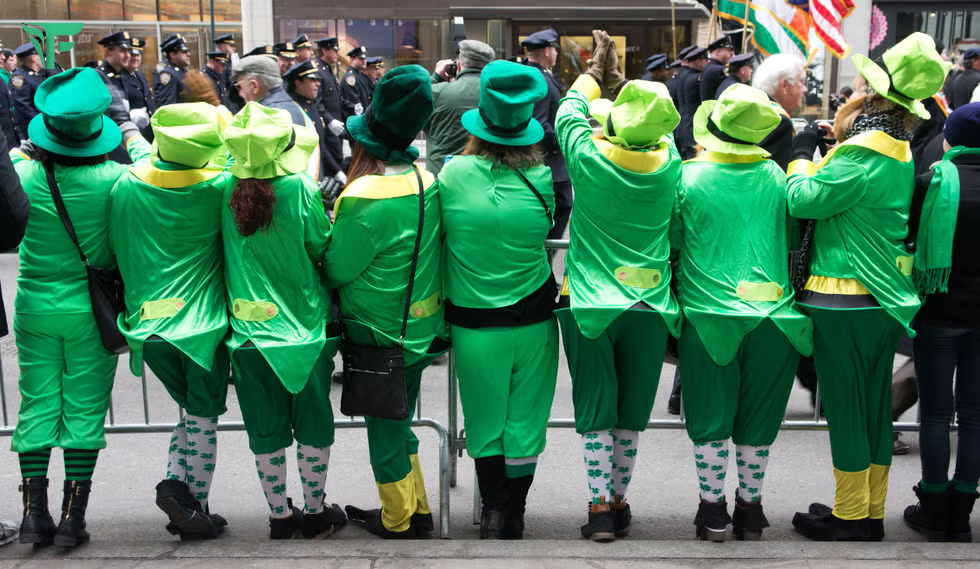
Every March 17th, millions of people around the world come together to celebrate St. Patrick’s Day with shamrocks, green beer, and Irish music. This beloved holiday has grown far beyond its religious roots to become a global celebration of Irish culture and heritage.
What is St. Patrick’s Day?
St. Patrick’s Day is an annual celebration held on March 17th to honor Saint Patrick, the patron saint of Ireland. What started as a religious feast day in the 17th century has transformed into an international festival celebrating Irish culture, heritage, and traditions.
The holiday commemorates Saint Patrick and the arrival of Christianity in Ireland. It’s also a celebration of the heritage and culture of the Irish in general. People of all backgrounds now join in the festivities, making it one of the most widely celebrated cultural holidays in the world.
Religious Significance
Originally, St. Patrick’s Day was observed as a religious holiday. Saint Patrick was a Christian missionary who is credited with bringing Christianity to Ireland in the 5th century. The Catholic Church made March 17th an official Christian feast day in the early 17th century.
Cultural Evolution
Over time, St. Patrick’s Day evolved from a solemn religious observance to a celebration of Irish identity and culture. Irish immigrants brought their traditions to other countries, particularly the United States, where the holiday took on new dimensions and customs.
The History of St. Patrick’s Day
Understanding the history of St. Patrick’s Day helps us appreciate how this holiday became the global celebration we know today. The story begins with Saint Patrick himself, though many details of his life remain shrouded in legend.
Who Was Saint Patrick?
Saint Patrick was born in Roman Britain in the late 4th century. His real name was likely Maewyn Succat. According to historical accounts, he was kidnapped by Irish raiders at age 16 and taken to Ireland as a slave. After six years in captivity, he escaped and later returned to Ireland as a missionary.
Patrick spent the rest of his life converting the pagan Irish to Christianity. He used familiar Irish symbols to explain Christian concepts. The most famous example is his use of the three-leafed shamrock to explain the Holy Trinity.
Early Celebrations
The first St. Patrick’s Day celebration took place in Ireland on March 17, 461 AD, the date traditionally believed to be Saint Patrick’s death. For over 1,000 years, St. Patrick’s Day was observed as a religious holiday in Ireland.
Irish Immigration and Global Spread
The Great Irish Famine of the 1840s led to massive Irish immigration, particularly to America. Irish immigrants brought their St. Patrick’s Day traditions with them, and the holiday began to evolve into the secular celebration we recognize today.
Interestingly, many of the traditions we associate with St. Patrick’s Day today actually originated outside of Ireland. The tradition of wearing green, drinking green beer, and holding large parades developed primarily in Irish-American communities.
St. Patrick’s Day Traditions Around the World
St. Patrick’s Day traditions vary significantly depending on where you are in the world. Each country and region has developed its own unique ways of celebrating this Irish holiday.
Ireland
In Ireland, St. Patrick’s Day is a national holiday. The day typically begins with attendance at morning Mass. Traditional Irish foods are prepared, including:
- Irish bacon and cabbage
- Colcannon (mashed potatoes with cabbage or kale)
- Irish soda bread
- Shepherd’s pie
Irish families often gather for meals and attend local parades. Dublin hosts one of the world’s largest St. Patrick’s Day festivals, featuring parades, concerts, and cultural events over several days.
United States
American St. Patrick’s Day celebrations are often more elaborate than those in Ireland. Major cities host huge parades, with New York City’s parade being the oldest and largest. The Chicago River is famously dyed green every year, and many people wear green clothing to avoid being pinched.
American traditions include:
- Wearing green clothing and accessories
- Drinking green beer
- Eating corned beef and cabbage
- Attending parades and festivals
- Decorating with shamrocks and leprechauns
Other Countries
Canada: Similar to American celebrations, with major parades in cities like Montreal and Toronto.
Australia: Large Irish immigrant population celebrates with parades and pub gatherings, particularly in Sydney and Melbourne.
Argentina: Buenos Aires hosts a significant St. Patrick’s Day celebration due to its large Irish-Argentine community.
Japan: Tokyo has embraced St. Patrick’s Day with parades and Irish-themed events in recent years.
Irish Food and Drinks for Your Celebration
No St. Patrick’s Day celebration is complete without traditional Irish food and beverages. While some “Irish” dishes popular on St. Patrick’s Day actually originated elsewhere, they’ve become part of the holiday tradition.
Traditional Irish Dishes
Irish Stew: A hearty stew made with lamb or mutton, potatoes, onions, and herbs. This is one of Ireland’s national dishes and perfect for March weather.
Bangers and Mash: Irish sausages served with mashed potatoes and gravy.
Black Pudding: A type of blood sausage that’s a staple of traditional Irish breakfast.
Irish Soda Bread: A quick bread made with baking soda instead of yeast, often containing raisins or caraway seeds.
Colcannon: Mashed potatoes mixed with chopped cabbage or kale, butter, salt, and pepper.
Irish-American Favorites
Corned Beef and Cabbage: While not traditionally Irish, this dish became associated with St. Patrick’s Day through Irish-American communities.
Reuben Sandwiches: Made with corned beef, Swiss cheese, sauerkraut, and Russian dressing on rye bread.
Irish Potato Candy: A sweet confection made from coconut, butter, and powdered sugar, shaped like small potatoes.
Traditional Irish Beverages
Guinness: Ireland’s most famous stout beer, perfect for St. Patrick’s Day celebrations.
Irish Whiskey: Brands like Jameson, Bushmills, and Tullamore Dew are popular choices.
Irish Coffee: Coffee mixed with Irish whiskey, sugar, and topped with cream.
Bailey’s Irish Cream: A popular liqueur that can be enjoyed on its own or mixed into cocktails.

Green Drinks for the Holiday
Many people enjoy green-colored beverages on St. Patrick’s Day:
- Green beer (regular beer with food coloring)
- Green cocktails and punch
- Green smoothies and non-alcoholic drinks
- Shamrock shakes
St. Patrick’s Day Decorations and Colors
The visual elements of St. Patrick’s Day are instantly recognizable around the world. Green dominates the color scheme, but there’s much more to Irish-themed decorations.
The Color Green
Green became associated with St. Patrick’s Day for several reasons:
- Ireland is known as the “Emerald Isle” due to its lush green landscape
- Green represents Irish nationalism and independence
- The shamrock, Saint Patrick’s teaching tool, is green
- Green is one of the colors on the Irish flag
Originally, the color associated with Saint Patrick was blue, not green. The shift to green occurred over time as the color became more strongly associated with Irish identity.
Traditional Symbols
Shamrocks: The three-leaf clover Saint Patrick used to explain the Trinity. Real shamrocks are difficult to find outside Ireland, so many people use clover or artificial shamrocks.
Leprechauns: Mythical Irish fairies known for their mischievous nature and hidden pots of gold. They’ve become popular decorative figures for St. Patrick’s Day.
Celtic Knots: Ancient Irish designs that represent eternity and interconnectedness.
Irish Flag: The tricolor flag of green, white, and orange represents different aspects of Irish society.
Harps: The official symbol of Ireland, often featured in St. Patrick’s Day decorations.
Decorating Ideas
Indoor Decorations:
- Green tablecloths and napkins
- Shamrock centerpieces
- Irish flag bunting
- Leprechaun figurines
- Green balloons and streamers
Outdoor Decorations:
- Green lights on houses and trees
- Yard signs with Irish sayings
- Inflatable leprechauns and shamrocks
- Green ribbons on mailboxes and fences
Planning the Perfect St. Patrick’s Day Party
Hosting a St. Patrick’s Day party brings friends and family together to celebrate Irish culture and have fun. Here’s how to plan an event that captures the spirit of the holiday.
Party Planning Basics
Guest List: Decide whether you want an intimate gathering or a large celebration. St. Patrick’s Day parties work well for both small family gatherings and big community events.
Invitations: Send invitations that incorporate St. Patrick’s Day themes. Include a note asking guests to wear green or Irish-themed clothing.
Budget: Plan your budget to cover food, drinks, decorations, and entertainment. Irish-themed parties can be done affordably with homemade decorations and simple foods.
Menu Planning
Create a menu that combines traditional Irish foods with party favorites:
Appetizers:
- Irish cheese and crackers
- Mini shepherd’s pies
- Potato skins with Irish cheddar
- Soda bread with butter
Main Dishes:
- Irish stew served in bread bowls
- Corned beef sliders
- Fish and chips
- Bangers and mash
Desserts:
- Irish coffee cake
- Mint chocolate chip ice cream
- Shamrock-shaped cookies
- Bailey’s cheesecake
Entertainment Ideas
Music: Create playlists featuring traditional Irish music, Celtic rock, and popular Irish songs. Include artists like The Dubliners, Celtic Woman, and U2.
Games: Organize Irish-themed games and activities:
- Irish trivia contests
- Shamrock scavenger hunts
- Pin the hat on the leprechaun
- Irish dancing lessons
Activities: Set up craft stations for making shamrock decorations or Irish flag pins.
Party Favors
Send guests home with Irish-themed party favors:
- Mini bottles of Irish whiskey or Bailey’s
- Shamrock keychains
- Irish chocolate or candies
- Small potted shamrock plants
St. Patrick’s Day Activities for Families
St. Patrick’s Day offers wonderful opportunities for family fun and learning about Irish culture. These activities help children understand the holiday while creating lasting memories.
Also Read: Craig Monk Net Worth: The Rise of a Digital Marketing Mogul
Educational Activities
Learn About Ireland: Show children where Ireland is on a map and share interesting facts about Irish geography, history, and culture.
Saint Patrick’s Story: Read age-appropriate books about Saint Patrick and explain the religious significance of the holiday.
Irish Language: Teach children simple Irish Gaelic phrases like “Dia dhuit” (hello) and “Sláinte” (cheers/good health).
Crafts and Projects
Shamrock Crafts:
- Paper shamrock garlands
- Handprint shamrock art
- Shamrock sun catchers using tissue paper
- Rock painting with shamrock designs
Leprechaun Crafts:
- Leprechaun hat making
- Create leprechaun traps
- Make leprechaun beards with cotton balls
- Design “Wanted” posters for leprechauns
Rainbow Crafts:
- Coffee filter rainbow art
- Rainbow pasta necklaces
- Tissue paper rainbows
- Rainbow fruit kabobs
Cooking Together
Involve children in preparing St. Patrick’s Day foods:
- Let them help make Irish soda bread
- Create green smoothies together
- Make shamrock-shaped pancakes
- Decorate cookies with green icing
Outdoor Activities
Nature Walks: Go on walks to look for four-leaf clovers and discuss Irish folklore about luck.
Garden Planting: Plant shamrock seeds or other green plants in honor of the holiday.
Treasure Hunts: Create leprechaun treasure hunts with small prizes hidden around the yard.
Reading List
Share books about St. Patrick’s Day and Irish culture:
- “It’s St. Patrick’s Day, Dear Dragon” by Margaret Hillert
- “The Night Before St. Patrick’s Day” by Natasha Wing
- “How to Catch a Leprechaun” by Adam Wallace
- “Jamie O’Rourke and the Big Potato” by Tomie dePaola
Famous St. Patrick’s Day Parades
St. Patrick’s Day parades are central to the holiday celebration in many cities around the world. These events bring communities together and showcase Irish culture and heritage.
New York City Parade
The New York City St. Patrick’s Day Parade is the world’s oldest and largest St. Patrick’s Day parade. It began in 1762, even before the United States was founded. The parade marches up Fifth Avenue and typically features:
- Over 150,000 marchers
- Bagpipe bands from around the world
- Irish organizations and societies
- Military units
- Political figures
The parade has strict rules: no vehicles are allowed, and marchers must walk the entire 1.5-mile route. It’s estimated that over 2 million spectators line the streets to watch.

Boston Parade
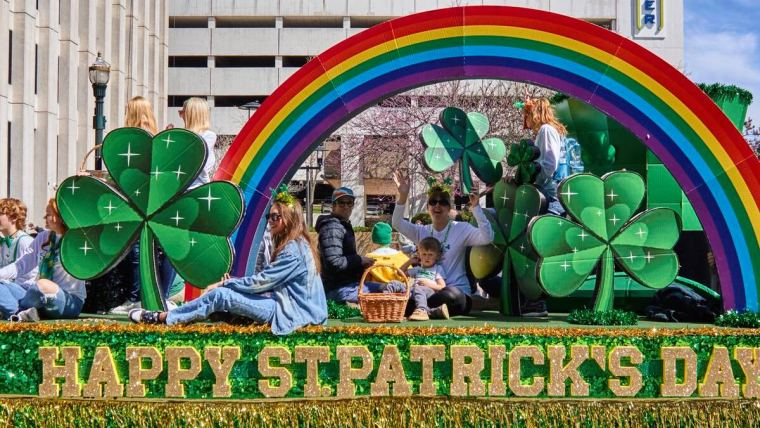
Boston’s St. Patrick’s Day Parade is one of America’s most popular, reflecting the city’s strong Irish heritage. The parade typically takes place in South Boston and features:
- Irish dance groups
- School marching bands
- Local organizations
- Political candidates
- Military veterans
Dublin Festival
Dublin’s St. Patrick’s Festival is a multi-day celebration that culminates with a grand parade through the city center. The festival includes:
- Street performances
- Music concerts
- Art installations
- Family-friendly activities
- International visitors and performers
Chicago Celebrations
Chicago is famous for dyeing the Chicago River green every St. Patrick’s Day morning. The tradition began in 1962 and uses environmentally safe dye. The city also hosts a downtown parade and numerous neighborhood celebrations.
Other Notable Parades
Savannah, Georgia: Claims to have the second-largest St. Patrick’s Day celebration in the United States.
Montreal, Canada: Features one of the longest-running St. Patrick’s Day parades in North America.
Buenos Aires, Argentina: Hosts the largest St. Patrick’s Day parade in South America.
St. Patrick’s Day Myths and Fun Facts
St. Patrick’s Day is surrounded by interesting myths, legends, and surprising facts that many people don’t know.
Myths and Legends
Leprechauns: These mythical creatures are part of Irish folklore. According to legend, leprechauns are small fairies who work as cobblers and hide pots of gold at the end of rainbows. If caught, they must grant three wishes in exchange for their freedom.
Shamrocks vs. Four-Leaf Clovers: Many people confuse shamrocks with four-leaf clovers. Shamrocks have three leaves and are associated with Saint Patrick’s teaching about the Trinity. Four-leaf clovers are rare mutations that are considered lucky.
Snakes in Ireland: Legend says Saint Patrick drove all the snakes out of Ireland. However, Ireland never had snakes due to its geographic isolation and climate. This story is likely a metaphor for driving out paganism.
Surprising Facts
Saint Patrick Wasn’t Irish: Saint Patrick was actually born in Britain, possibly Scotland or Wales. He was brought to Ireland as a slave and later returned as a missionary.
Original Color Was Blue: The color originally associated with Saint Patrick was blue, not green. Blue appears on ancient Irish flags and in early depictions of Saint Patrick.
No Shamrocks in Ireland: Most shamrocks sold for St. Patrick’s Day aren’t actually Irish shamrocks. True Irish shamrocks are a specific type of clover that’s difficult to grow outside Ireland.
Corned Beef Isn’t Irish: The traditional Irish meat was actually bacon, not corned beef. Irish immigrants in America substituted corned beef because it was cheaper and more available.
Record-Breaking Facts
- The largest St. Patrick’s Day parade has over 150,000 participants (New York City)
- Chicago uses about 40 pounds of dye to turn the river green
- Over 13 million pints of Guinness are consumed worldwide on St. Patrick’s Day
- The odds of finding a four-leaf clover are about 1 in 10,000
How to Dress for St. Patrick’s Day
Dressing for St. Patrick’s Day has become an important part of the celebration, with wearing green being the most recognized tradition.
The Green Tradition
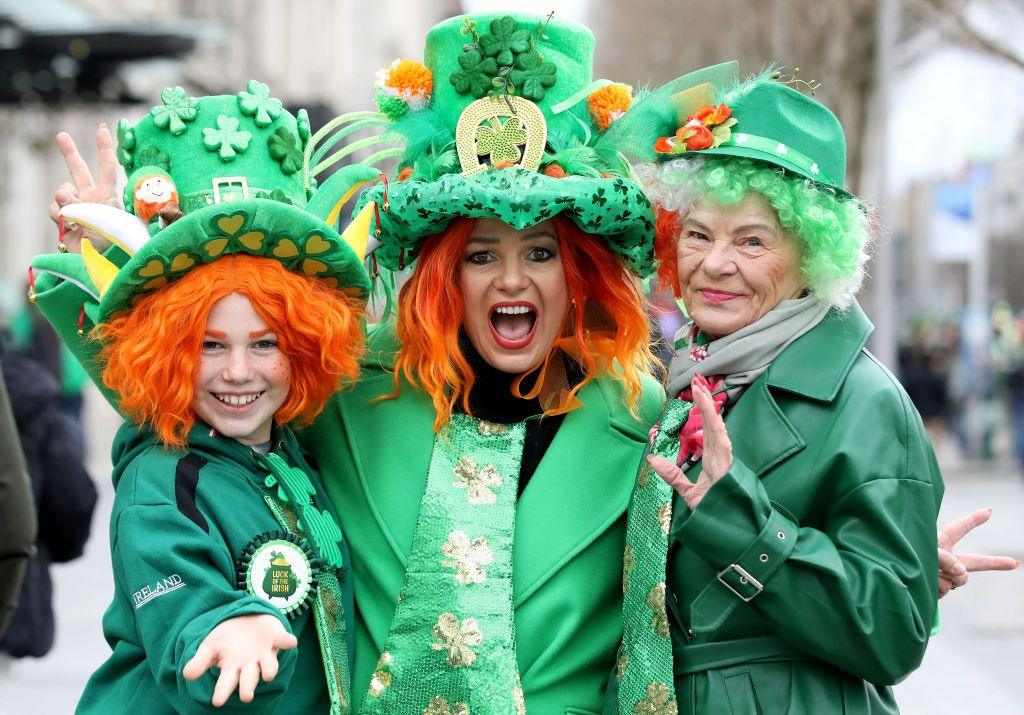
Wearing green on Patrick’s Day is deeply rooted in Irish nationalism and the connection to Ireland’s nickname, the “Emerald Isle.” The tradition became popular among Irish-Americans as a way to show pride in their heritage.
In many places, there’s a playful tradition of pinching people who don’t wear green on St. Patrick’s Day. This custom supposedly comes from the belief that wearing green makes you invisible to leprechauns, who would pinch anyone they could see.
Outfit Ideas
Casual Green Outfits:
- Green t-shirts with Irish sayings
- Green sweaters or hoodies
- Green accessories like hats, scarves, or jewelry
- Green shoes or socks
Formal Green Attire:
- Green dresses or suits
- Green ties or pocket squares
- Emerald jewelry
- Green dress shoes
Creative Costumes:
- Leprechaun outfits with hats and beards
- Irish flag-themed clothing
- Shamrock patterns
- Celtic designs
Accessories and Details
Traditional Irish Accessories:
- Claddagh rings
- Celtic jewelry
- Irish caps or berets
- Tartan scarves
Fun St. Patrick’s Day Accessories:
- Shamrock pins or brooches
- Green beads necklaces
- Leprechaun hats
- “Kiss Me, I’m Irish” buttons
Hair and Makeup
Add green elements to your hair and makeup:
- Green hair extensions or temporary color
- Green eyeshadow or eyeliner
- Shamrock face paint
- Green nail polish
St. Patrick’s Day offers a wonderful opportunity to celebrate Irish culture, connect with friends and family, and enjoy traditions that have been passed down through generations. Whether you’re attending a parade, hosting a party, or simply wearing green to work, you’re participating in a global celebration that brings people together across cultural boundaries.
The beauty of St. Patrick’s Day lies in its evolution from a religious observance to an inclusive cultural celebration. You don’t need to be Irish to appreciate the music, food, stories, and sense of community that define this special day.


