

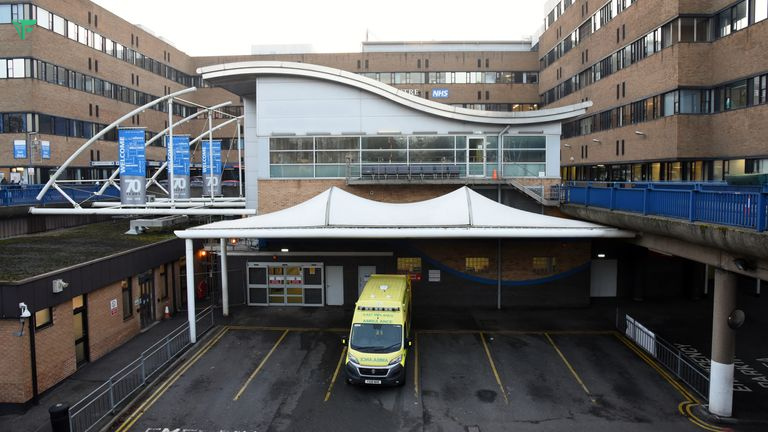
When an NHS hospital critical incident is declared, it signals that the healthcare system is facing significant challenges that require immediate attention and coordinated response. Understanding what happens during these emergency situations can help patients, families, and the public better navigate these challenging times while supporting our healthcare workers who work tirelessly to maintain patient safety.
What is an NHS Hospital Critical Incident?
An NHS hospital critical incident refers to any situation that poses a serious threat to patient safety, hospital operations, or staff wellbeing. These incidents require immediate action and often involve activating special emergency protocols designed to protect everyone involved.
Critical incidents can range from equipment failures and staff shortages to natural disasters and security threats. The key characteristic of any critical incident is that it has the potential to overwhelm normal hospital operations and requires additional resources or alternative approaches to maintain patient care.
Defining Characteristics
NHS trusts typically classify incidents as critical when they meet specific criteria:
- Immediate threat to patient safety or quality of care
- Significant disruption to normal hospital services
- Resource shortage that affects patient treatment
- External factors impacting hospital operations
- Multiple casualties requiring coordinated response
The decision to declare a critical incident is never taken lightly, as it triggers a comprehensive response that involves multiple departments and external agencies.
Types of Critical Incidents in NHS Hospitals
NHS hospitals face various types of critical incidents, each requiring different response strategies and protocols. Understanding these categories helps explain why hospitals sometimes need to take drastic measures to protect patients and staff.
Operational Critical Incidents
Staff shortage emergencies represent one of the most common types of critical incidents. When hospitals cannot maintain safe staffing levels due to illness, strikes, or other factors, patient safety becomes compromised. During these situations, hospitals may need to:
- Cancel non-emergency procedures
- Redirect patients to other facilities
- Call in additional staff from other departments
- Implement modified care protocols
Infrastructure failures can also trigger critical incidents. Power outages, heating system failures, water supply issues, or IT system crashes can all severely impact hospital operations and patient care delivery.
Medical Critical Incidents
Disease outbreaks within hospitals require immediate containment measures. Whether dealing with seasonal flu, COVID-19, or other infectious diseases, hospitals must quickly implement isolation protocols and infection control measures to protect vulnerable patients.
Mass casualty events occur when hospitals receive multiple seriously injured patients simultaneously, often from accidents, natural disasters, or other emergencies. These situations test the hospital’s surge capacity and emergency preparedness.
Security and Safety Incidents
Security threats including violence, bomb threats, or suspicious activities require immediate response to protect patients, staff, and visitors. Hospitals work closely with local police and security services during these incidents.
Environmental hazards such as chemical spills, gas leaks, or structural damage can force partial or complete hospital evacuations while maintaining essential patient care.
How NHS Hospitals Respond to Critical Incidents
When an NHS hospital critical incident is declared, a well-rehearsed response plan immediately activates. These protocols have been developed over decades and are regularly updated based on lessons learned from previous incidents.
Immediate Response Phase
The incident command structure becomes operational within minutes of declaration. This involves:
- Gold Command: Senior executives making strategic decisions
- Silver Command: Operational managers coordinating response
- Bronze Command: Frontline staff implementing actions
Communication protocols ensure all relevant parties receive immediate notification. This includes NHS England, local authorities, emergency services, and neighboring hospitals that may need to assist with patient transfers or provide additional resources.
Resource Mobilization
Hospitals quickly assess and redistribute their resources during critical incidents. Staff redeployment sees employees from non-essential areas moved to critical departments. Administrative staff may assist with patient flow, while clinical staff focus on immediate patient needs.
Supply chain management becomes crucial during extended incidents. Hospitals maintain emergency supplies and have agreements with suppliers for rapid restocking of essential items like medications, medical devices, and personal protective equipment.
Patient Care Modifications
During critical incidents, hospitals implement modified care protocols designed to maintain safety while managing increased demand or reduced capacity. This might include:
- Extending discharge planning to free up beds
- Implementing early warning systems for patient deterioration
- Prioritizing urgent and emergency cases
- Coordinating with community services for patient support
Impact on Patients and Families
Understanding how an NHS hospital critical incident affects patients and families helps everyone prepare for these challenging situations. While hospitals work hard to minimize disruption, some changes to normal services are often unavoidable.
Treatment and Appointments
Planned procedures may face delays or cancellations during critical incidents. Hospitals prioritize emergency and urgent cases, which means routine appointments might be rescheduled. Patients typically receive advance notice when possible, along with alternative arrangements or revised schedules.
Emergency care continues throughout critical incidents, though patients may experience longer waiting times. Emergency departments implement triage protocols to ensure the most seriously ill patients receive immediate attention while managing overall patient flow.
Visiting Restrictions
Family access may be limited during certain types of critical incidents, particularly those involving infection control or security concerns. When restrictions are necessary, hospitals try to maintain communication between patients and families through alternative methods such as video calls or regular updates from nursing staff.
Support services including chaplaincy, social workers, and patient advocates remain available during critical incidents, though their delivery methods may be modified to ensure safety while maintaining patient support.
Information and Communication
Hospitals increase communication frequency during critical incidents, providing regular updates about the situation and expected resolution timeframes. This includes updates through hospital websites, social media channels, and direct communication with affected patients and families.
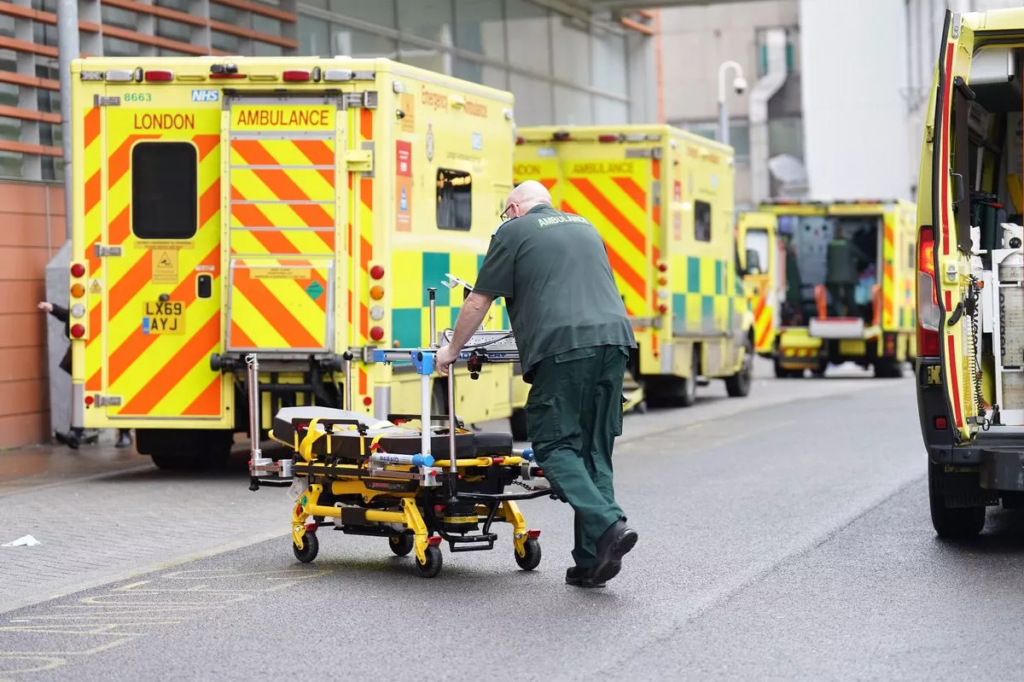
Emergency Planning and Preparedness
NHS hospitals invest significant resources in emergency preparedness to minimize the impact of critical incidents. This comprehensive approach involves regular training, equipment maintenance, and partnership development with external agencies.
Training and Exercises
Regular drills test hospital response capabilities across different incident types. These exercises involve all staff levels and often include external partners such as emergency services, local authorities, and neighboring healthcare facilities.
Scenario planning helps hospitals prepare for various types of critical incidents. Teams regularly review and update response protocols based on emerging threats, technological changes, and lessons learned from real incidents.
Resource Stockpiling
Hospitals maintain emergency reserves of essential supplies including medications, medical equipment, food, water, and fuel for backup generators. These stockpiles are regularly audited and rotated to ensure reliability when needed.
Mutual aid agreements with other hospitals and healthcare facilities ensure resources can be shared during widespread incidents affecting multiple locations.
Technology and Communication Systems
Backup communication systems ensure hospitals can maintain contact with external agencies even when primary systems fail. This includes satellite phones, radio systems, and alternative internet connections.
Data backup and recovery systems protect critical patient information and enable continued care delivery even when primary IT systems are compromised.
Major Incident vs Critical Incident
Understanding the difference between a major incident and a critical incident helps clarify the scale and type of response required. While both terms indicate serious situations requiring coordinated response, they have distinct characteristics and implications.
Critical Incident Characteristics
A critical incident typically affects a single healthcare facility or specific aspect of care delivery. These incidents require internal response protocols and may involve external support, but generally remain contained within the affected organization.
Examples include single-hospital staff shortages, localized equipment failures, or facility-specific safety concerns. The response focuses on maintaining patient safety within that particular environment while addressing the underlying issue.
Major Incident Scale
Major incidents typically involve multiple agencies, affect broader geographic areas, or require coordinated response across multiple healthcare facilities. These situations often trigger regional or national response protocols.
Major incidents might include natural disasters affecting multiple hospitals, widespread disease outbreaks, or large-scale accidents generating numerous casualties requiring treatment across several facilities.
Response Coordination
During major incidents, regional coordination becomes essential. NHS England coordinates response efforts across multiple trusts, while local resilience forums bring together healthcare providers, emergency services, local authorities, and other agencies.
Resource sharing becomes more complex during major incidents, often requiring national-level coordination to ensure adequate supplies and staffing across affected areas.
Recent Examples and Case Studies
Learning from recent NHS hospital critical incident declarations helps illustrate how these protocols work in practice and their importance for patient safety and healthcare system resilience.
Winter Pressures and Capacity Issues
During winter months, many NHS hospitals declare critical incidents due to increased demand combined with reduced capacity. Seasonal illnesses, weather-related accidents, and reduced discharge rates due to community care limitations create perfect storm conditions.
These incidents demonstrate how hospitals adapt by implementing enhanced discharge planning, opening additional bed capacity, and coordinating with community services to support patient flow while maintaining safety standards.
Also Read: https://flyermagazines.co.uk/importance-of-pharmacy-2026/
Pandemic Response
The COVID-19 pandemic saw widespread critical incident declarations as hospitals faced unprecedented challenges including staff shortages due to illness, supply chain disruptions, and surge demand for intensive care services.
Hospital responses included rapid facility reconfiguration, implementation of new infection control protocols, staff redeployment across departments, and coordination with private healthcare providers to increase capacity.
Technology and Infrastructure Failures
Cyber attacks and IT system failures have triggered critical incidents at various NHS trusts. These situations require immediate response to maintain patient safety while restoring normal operations.
Response strategies include reverting to paper-based systems, implementing backup communication methods, and coordinating with external IT support teams while maintaining essential patient services.
Weather-Related Incidents
Extreme weather events including flooding, snow, and heatwaves have caused critical incidents requiring comprehensive response. These situations often combine infrastructure challenges with increased patient demand.
Hospital adaptations include implementing severe weather protocols, coordinating with emergency services for staff transport, and modifying patient care delivery methods while ensuring safety standards.
What to Expect During a Critical Incident
Patients and families should understand what changes they might encounter during an NHS hospital critical incident to help reduce anxiety and support effective response efforts.
Changes to Normal Services
Service modifications typically focus on maintaining essential and emergency care while temporarily reducing non-urgent activities. This might include postponing routine outpatient appointments, elective surgeries, or diagnostic procedures that can be safely delayed.
Extended waiting times may occur as hospitals prioritize cases based on clinical urgency rather than appointment schedules. Emergency departments implement robust triage systems to ensure serious cases receive immediate attention.
Enhanced Safety Measures
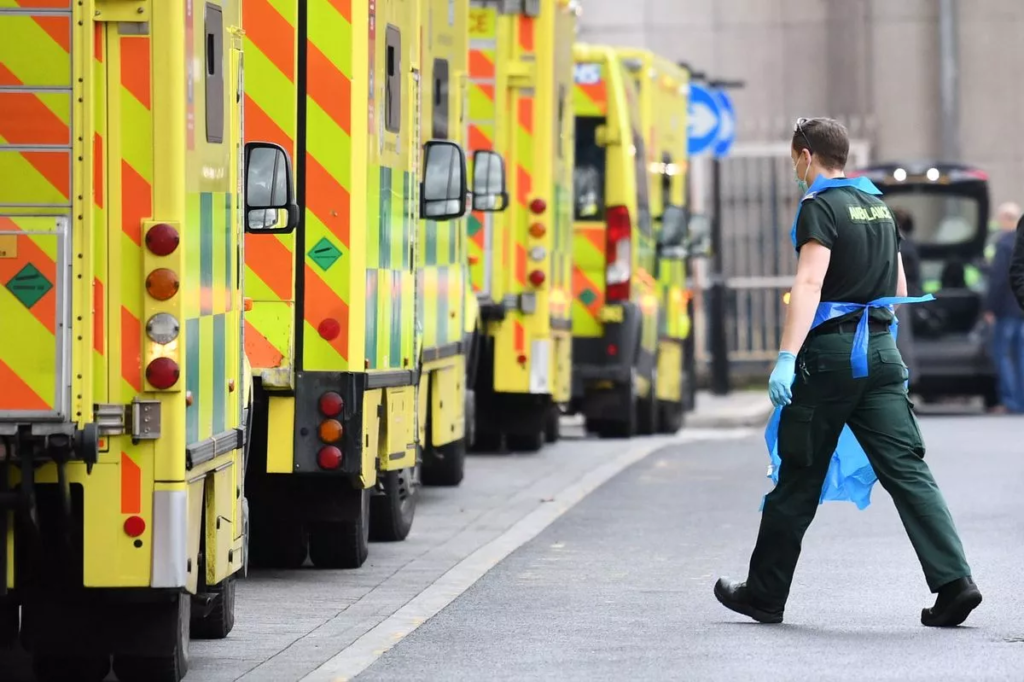
During critical incidents, hospitals often implement additional safety protocols which might include enhanced screening procedures, modified visiting arrangements, or alternative patient flow patterns designed to maintain safety while managing the incident.
Increased communication helps keep patients and families informed about any changes affecting their care or hospital experience. Staff receive regular briefings to ensure consistent information sharing.
Support Services Adaptation
Patient support services continue during critical incidents, though delivery methods may change. Social workers, discharge planners, and patient advocates remain available to help patients and families navigate any changes to normal procedures.
Community coordination increases during critical incidents, with hospitals working closely with primary care providers, social services, and community health teams to ensure comprehensive patient support.
Communication During Emergencies
Effective communication strategies during NHS hospital critical incidents ensure patients, families, staff, and the public receive accurate, timely information while supporting coordinated response efforts.
Internal Communication
Staff briefing systems provide regular updates to hospital employees about incident status, protocol changes, and their specific roles during the response. This includes both formal briefings and informal communication networks that help maintain situational awareness.
Department coordination ensures different hospital areas work together effectively during incidents. Regular communication between emergency departments, inpatient units, diagnostic services, and support departments maintains smooth operations despite challenging conditions.
External Communication
Public information helps community members understand how critical incidents might affect their access to hospital services. This includes updates through hospital websites, local media, and social media channels.
Healthcare system coordination involves regular communication between hospitals, primary care providers, emergency services, and other healthcare partners to ensure coordinated response and appropriate patient routing.
Patient and Family Communication
Direct patient communication provides affected individuals with specific information about their care during critical incidents. This includes explanations of any delays, changes to treatment plans, or modified procedures necessary during the response.
Family liaison services help maintain connection between patients and their loved ones when normal visiting arrangements are modified due to critical incident protocols.
Recovery and Learning
Following every NHS hospital critical incident, healthcare organizations conduct comprehensive reviews to identify lessons learned and improve future preparedness. This continuous improvement approach strengthens healthcare system resilience over time.
Incident Analysis
Structured debriefing sessions bring together staff from all levels who participated in the critical incident response. These sessions examine what worked well, identify areas for improvement, and capture specific lessons that can inform future planning.
Data analysis examines quantitative aspects of the incident response including patient outcomes, response times, resource utilization, and system performance metrics. This information helps identify trends and areas requiring additional attention.
System Improvements
Protocol updates incorporate lessons learned from critical incidents into existing emergency response procedures. Regular review and revision of these protocols ensures they remain current and effective.
Training modifications address any gaps identified during incident responses. Additional training programs, simulation exercises, or educational initiatives help prepare staff for similar future situations.
Knowledge Sharing
Inter-hospital learning enables healthcare organizations to benefit from each other’s experiences with critical incidents. Professional networks, conference presentations, and formal reporting systems facilitate knowledge transfer across the NHS.
Research and development activities focus on improving critical incident response capabilities through new technologies, better protocols, or enhanced training methods based on evidence gathered from real incidents.
The effective management of NHS hospital critical incidents depends on comprehensive preparation, coordinated response, and continuous learning. Understanding these processes helps patients, families, and communities support their local healthcare services during challenging times while maintaining confidence in the NHS’s ability to provide safe, effective care even under difficult circumstances.
Healthcare workers demonstrate remarkable dedication during critical incidents, adapting quickly to changing conditions while maintaining their commitment to patient safety and quality care. By understanding these emergency protocols, we can all play a part in supporting our healthcare system’s resilience and effectiveness.
