


Introduction
Recent searches about “Ian Huntley dead” have been trending online, with many people wondering about the current status of one of Britain’s most infamous criminals. Ian Huntley, the convicted killer of Holly Wells and Jessica Chapman in the Soham murders, continues to serve his life sentence in prison. Despite various rumors and speculation, Ian Huntley remains alive and incarcerated as of 2024.
Who is Ian Huntley?
Ian Kevin Huntley was born on January 31, 1974, in Grimsby, Lincolnshire. Before becoming known as the Soham killer, Huntley worked as a caretaker at Soham Village College in Cambridgeshire. His life changed forever in August 2002 when he committed one of the most shocking crimes in modern British history.
Huntley had a troubled background with multiple allegations and incidents involving young women before the Soham murders. However, these previous concerns were not properly investigated or shared between different police forces, leading to serious questions about background checking procedures.
The Soham Murders: A Crime That Shocked Britain
On August 4, 2002, two 10-year-old girls, Holly Wells and Jessica Chapman, disappeared from Soham, Cambridgeshire. The girls had been walking near Holly’s home when they encountered Ian Huntley, who lured them into his house.
The case became a massive news story, with extensive media coverage and a large-scale police investigation. Huntley initially appeared on television appealing for the girls’ safe return, but investigators soon focused on him as a suspect.
The Investigation and Trial
The investigation revealed that Huntley had killed both girls in his home. He was arrested on August 17, 2002, along with his girlfriend Maxine Carr, who was charged with helping him cover up the crime.
During the trial in 2003, Huntley was found guilty of murdering both Holly Wells and Jessica Chapman. He received two life sentences with a minimum term of 40 years. Maxine Carr was convicted of giving him a false alibi and received a shorter sentence.
Current Status: Is Ian Huntley Dead?
No, Ian Huntley is not dead. Despite recurring rumors and online speculation, Ian Huntley remains alive and continues to serve his life sentence in prison. The confusion about Ian Huntley being dead often stems from several factors:
- Social media misinformation
- Confusion with other high-profile cases
- Wishful thinking from those affected by his crimes
- Clickbait headlines designed to generate traffic
Prison officials and the Ministry of Justice have not announced any death of Ian Huntley. If such a significant event occurred, it would be widely reported by legitimate news sources and officially confirmed by authorities.
Life in Prison: Where is Ian Huntley Now?
Ian Huntley is currently serving his sentence in HMP Frankland, a high-security prison in County Durham. This Category A prison houses some of Britain’s most dangerous criminals and has strict security measures in place.
Daily Life Behind Bars
Huntley’s prison life is highly restricted and monitored:
- Protective custody: Due to the nature of his crimes, Huntley requires protection from other inmates
- Limited movement: His activities within the prison are carefully controlled
- Restricted visitors: Only approved family members and legal representatives can visit
- Constant surveillance: Prison staff monitor his behavior and mental state
Security Measures
The prison takes extensive precautions to ensure Huntley’s safety while maintaining security:
- Segregated housing unit placement
- Regular welfare checks
- Limited interaction with other prisoners
- Careful screening of mail and phone calls
Previous Health Scares and Suicide Attempts
Throughout his imprisonment, Ian Huntley has experienced several health issues and mental health crises that may contribute to rumors about his death:
Documented Incidents
2003: Shortly after his conviction, Huntley took an overdose of antidepressants in his cell, requiring hospitalization.
2005: He slashed his wrists with a razor blade and required medical treatment.
2011: Huntley was hospitalized after taking another overdose, leading to concerns about his mental state.
These incidents often generate media attention and may fuel speculation about his current condition or potential death.
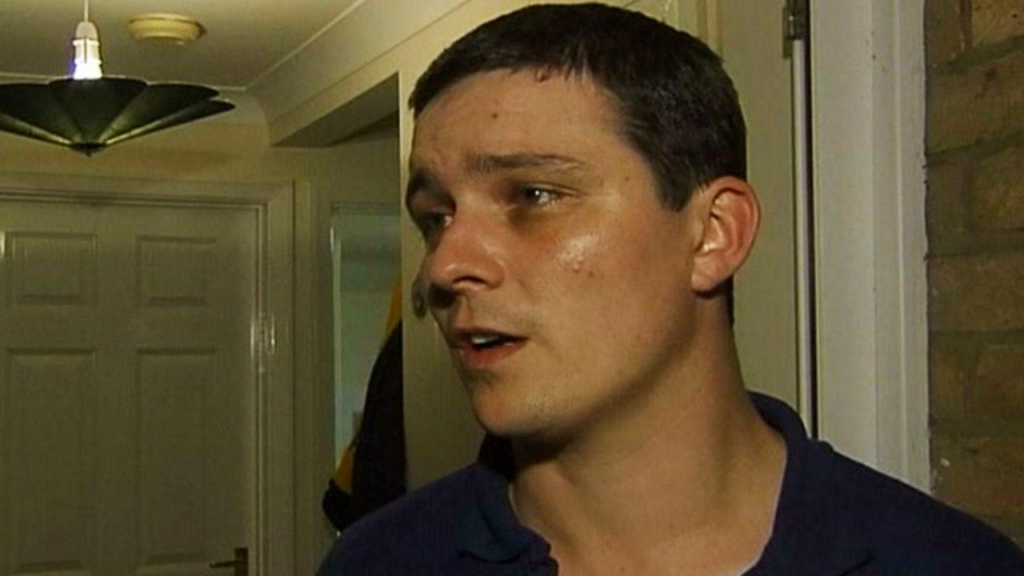
Medical Care in Prison
The prison system provides medical care for inmates, including:
- Regular health assessments
- Mental health support
- Emergency medical treatment when needed
- Medication management for chronic conditions
Why Do Death Rumors Keep Circulating?
Several factors contribute to the persistent rumors about Ian Huntley being dead:
Social Media Amplification
False information spreads quickly on social media platforms, where:
- Unverified claims get shared repeatedly
- People don’t always check sources before sharing
- Sensational headlines attract more clicks and engagement
- Echo chambers reinforce false beliefs
Public Sentiment
Many people affected by Huntley’s crimes may wish for his death, leading to:
- Wishful thinking that gets presented as fact
- Emotional responses that cloud judgment
- Desire for closure or justice
Lack of Regular Updates
The prison system doesn’t provide regular updates about individual inmates unless there’s a significant reason, creating an information vacuum that rumors can fill.
Impact on the Victims’ Families
The families of Holly Wells and Jessica Chapman have suffered tremendously from both the original crimes and the ongoing public attention. False rumors about Ian Huntley’s death can be particularly harmful because they:
- Reopen old wounds and trauma
- Force families to relive painful memories
- Create false hope or disappointment
- Generate unwanted media attention
Ongoing Support Needs
The families continue to need:
- Privacy and respect from the media and public
- Accurate information about legal proceedings
- Support from victim services organizations
- Protection from harassment and misinformation
Media Coverage and Public Interest
The Soham murders remain one of the most closely watched criminal cases in British history. This ongoing interest means that any news about Ian Huntley, including false reports of his death, generates significant attention.
Responsible Reporting
Legitimate news organizations follow strict guidelines when reporting about high-profile criminals:
- Verify information through official sources
- Contact prison authorities for confirmation
- Consider the impact on victims’ families
- Correct false information when it appears
The Role of Social Media
Social media has changed how information spreads about criminal cases:
- Rumors can go viral within hours
- False information often spreads faster than corrections
- People may share content without verifying its accuracy
- Platform algorithms may promote sensational content
Legal Implications and Prison Conditions
Ian Huntley’s continued imprisonment serves multiple purposes within the British justice system:
Life Sentence Meaning
In the UK, a life sentence doesn’t necessarily mean life in prison, but Huntley’s case is different:
- Minimum term: 40 years before possible parole consideration
- Whole life order: Unlikely to ever be released
- Public safety: Considered too dangerous for release
- Deterrent effect: Sends message about consequences of such crimes
Also Read: https://flyermagazines.co.uk/izzie-balmer-partner/
Prison Reform Considerations
Huntley’s case raises questions about:
- Mental health treatment in prisons
- Costs of protective custody
- Rehabilitation vs. punishment
- Public safety and release decisions
Monitoring and Review
Regular assessments examine:
- Mental health status
- Risk to public safety
- Behavior in prison
- Potential for rehabilitation
Prison System Challenges
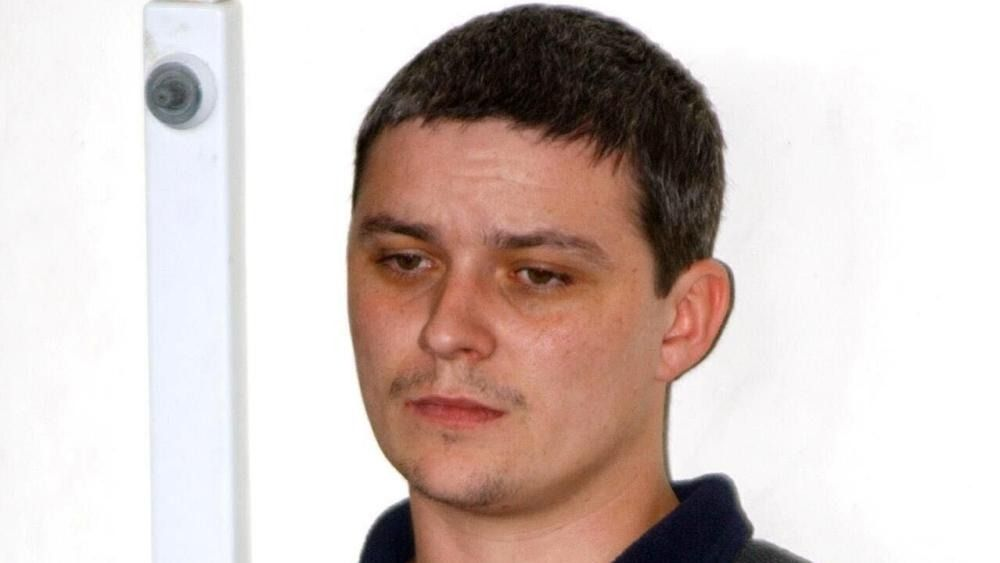
Housing high-profile criminals like Ian Huntley presents unique challenges:
Security Concerns
- Constant threat from other inmates
- Risk of attacks or violence
- Need for segregated housing
- High staffing requirements
Cost Implications
- Expensive protective measures
- Additional security personnel
- Specialized housing arrangements
- Enhanced medical and mental health services
Staff Training
Prison staff must receive special training to:
- Handle high-profile inmates safely
- Recognize signs of mental health crisis
- Maintain professional boundaries
- Deal with media and public attention
Comparison with Similar Cases
Other high-profile criminals in the British prison system face similar challenges:
- Dennis Nilsen: Died in prison in 2018 after serving 34 years
- Harold Shipman: Committed suicide in prison in 2004
- Myra Hindley: Died in prison in 2002 after 36 years
These cases show different outcomes for long-term prisoners, highlighting that while some die in custody, others serve many decades before death.
Future Considerations
Several factors will influence Ian Huntley’s future in prison:
Aging Population
As long-term prisoners age, the system must address:
- Increased healthcare needs
- Mobility and accessibility issues
- End-of-life care planning
- Compassionate release considerations
Mental Health Evolution
Long-term imprisonment affects mental health through:
- Isolation and limited social contact
- Institutional dependency
- Ongoing trauma and stress
- Medication and treatment challenges
Legal Changes
Potential changes to the justice system might affect:
- Sentencing guidelines
- Prison conditions
- Release procedures
- Victim rights and consultation
Conclusion
Despite persistent online rumors and speculation, Ian Huntley is not dead. The convicted killer of Holly Wells and Jessica Chapman continues to serve his life sentence in HMP Frankland, where he remains under close supervision and protection. The recurring false reports about Ian Huntley’s death highlight the importance of verifying information through reliable sources before sharing it, especially given the continued pain these rumors cause to the victims’ families.
The fascination with high-profile criminal cases like the Soham murders ensures that public interest in Ian Huntley’s status will likely continue. However, it’s essential to rely on official sources and established news organizations for accurate information rather than social media speculation or unverified claims.
For those seeking updates about this case or similar criminal matters, always check with reputable news sources, official government statements, or legal representatives. Remember that behind every high-profile crime are real families who continue to suffer, and spreading false information only adds to their pain.
Have you encountered false information about high-profile criminal cases online? Share your thoughts on how we can better combat misinformation in the comments below.
