




beyonce and the Making of a Modern Cultural Icon
beyonce has become far more than a recording artist; she represents an era of music shaped by ambition, visual storytelling, performance, and cultural confidence. From her early years in Houston to her emergence as one of the most influential entertainers of her generation, her career has continually evolved without losing its connection to discipline and artistic identity. Moreover, her ability to combine mainstream success with personal expression has allowed her work to reach audiences far beyond traditional pop and R&B boundaries, making her presence significant in contemporary culture.
From Houston Beginnings to Global Recognition
Born and raised in Houston, Texas, Beyoncé Giselle Knowles-Carter developed an interest in performance at an early age. Eventually, her dedication to singing and dancing led her toward competitive opportunities and professional training, creating the foundation for a remarkable career. Her breakthrough arrived through Destiny’s Child, the group that introduced her voice to a worldwide audience. However, the experience also taught her valuable lessons about teamwork, leadership, public attention, and the demanding nature of entertainment. Those early experiences later became important elements of her independent artistic identity.
The Solo Era Changed the Conversation
When her solo career gained momentum, she quickly demonstrated that she was capable of building an identity separate from her group years. Albums such as Dangerously in Love, B’Day, and I Am… Sasha Fierce revealed different dimensions of her artistry, moving between romantic vulnerability, powerful anthems, experimentation, and theatrical performance. Consequently, her success was not based simply on individual hit songs. Instead, she developed a recognizable creative language that connected music with fashion, choreography, storytelling, and visual presentation, establishing a model for modern pop stars who treat an album as a complete artistic statement.
A Career Built Around Reinvention
One of the defining characteristics of beyonce’s career is reinvention without abandoning familiarity. Rather than repeatedly reproducing an established formula, she has often changed the scale, sound, and presentation of her projects. Lemonade, for example, combined music with a deeply visual and emotional narrative, while later releases explored dance, house, country, and broader Black musical traditions. Furthermore, these creative shifts demonstrated an understanding that popular music can also function as cultural documentation. Her projects frequently encourage listeners to consider identity, heritage, relationships, resilience, and artistic freedom.
Why Her Visual Albums Matter
Visual storytelling has become central to the way contemporary audiences consume music, and beyonce played an important role in making that relationship more ambitious. Instead of treating music videos as separate promotional pieces, she increasingly used films and interconnected visuals to deepen the meaning of songs and albums. As a result, her releases often arrive as experiences rather than simple collections of tracks. This approach has influenced expectations across the industry, encouraging artists to think about cinematography, symbolism, choreography, fashion, and narrative continuity as essential parts of musical communication.

beyonce’s Cultural Influence Beyond Music
Her influence extends into conversations about representation, Black identity, femininity, fashion, entrepreneurship, and artistic ownership. Importantly, this influence does not come only from commercial achievements; it also comes from the way she controls her public image and creative presentation. Her performances frequently celebrate historical and contemporary elements of Black culture while placing them within highly polished global entertainment. Therefore, her work can be viewed simultaneously as popular spectacle and cultural expression. That balance has helped her maintain relevance across changing musical trends and generations of listeners.
| Area | What It Represents |
|---|---|
| Profession | Singer, songwriter, performer, producer, and entrepreneur |
| Birthplace | Houston, Texas, United States |
| Major Breakthrough | Destiny’s Child |
| Solo Career | Began with major success in the early 2000s |
| Musical Identity | R&B, pop, hip-hop, soul, country, dance, and related influences |
| Known For | Vocal performances, choreography, visual albums, live shows, and creative direction |
| Cultural Impact | Representation, fashion, music innovation, and contemporary Black culture |
The Meaning Behind the Performance
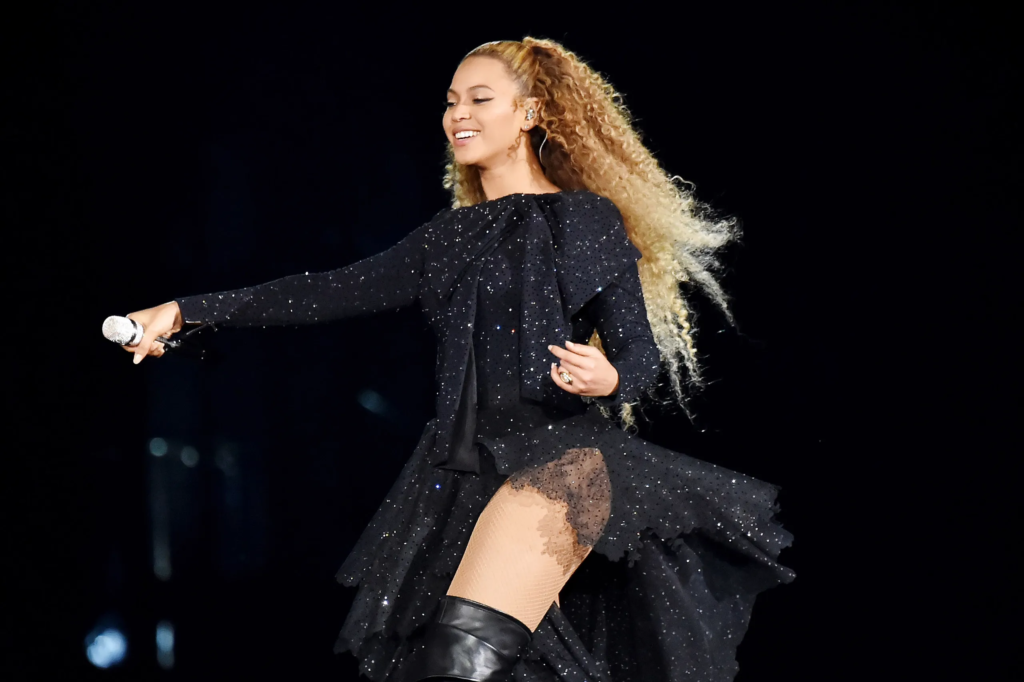
A beyonce performance is rarely limited to singing a collection of songs onstage. Instead, concerts can combine elaborate choreography, musicianship, costumes, lighting, visual effects, and carefully constructed transitions. Yet beneath the spectacle is an important human element: preparation. Her reputation for demanding rehearsals and precise execution has become part of her artistic mythology. Nevertheless, perfection alone does not explain the emotional response audiences experience. Her strongest performances often work because technical control is paired with moments of vulnerability, celebration, confidence, and connection.
Fashion, Image, and Creative Control
Fashion has also become an important extension of her artistic identity. Throughout her career, clothing has helped communicate different eras, personalities, and cultural references, transforming appearances into recognizable visual statements. At the same time, her


