


Introduction
The comparison between Morocco vs Nigeria has become increasingly relevant as both nations emerge as leading powers in Africa. These two countries represent different models of African development, with Morocco serving as North Africa’s gateway to Europe and Nigeria standing as West Africa’s economic giant. Understanding the differences and similarities between these nations helps investors, tourists, and businesses make informed decisions about engagement opportunities across the continent.
Economic Comparison: Morocco vs Nigeria
GDP and Economic Structure
Nigeria holds the title of Africa’s largest economy with a GDP of approximately $440 billion, primarily driven by oil exports and a growing service sector. The country’s economy heavily depends on petroleum, which accounts for over 90% of export earnings and about 70% of government revenue.
Morocco, with a GDP of around $130 billion, has built a more diversified economy. The kingdom has successfully developed sectors like agriculture, mining, manufacturing, and services. Morocco’s phosphate reserves give it a significant advantage in the global fertilizer market.
Economic Growth Patterns
When examining Morocco vs Nigeria economic growth, Morocco has maintained more consistent growth rates averaging 3-4% annually over the past decade. Nigeria experiences more volatile growth patterns due to oil price fluctuations, ranging from negative growth during oil crises to over 6% during boom periods.
Trade Relationships
Morocco has leveraged its strategic location to become a manufacturing hub for European markets. The country has free trade agreements with the EU and has been working to strengthen ties with sub-Saharan Africa through initiatives like the African Continental Free Trade Area.
Nigeria’s trade relationships are dominated by oil exports to major economies like the United States, India, and China. However, the country is working to diversify its export base and reduce dependence on oil revenues.
Tourism and Culture
Tourist Attractions and Heritage
The Morocco Nigeria tourism comparison reveals distinct advantages for each country. Morocco attracts over 13 million visitors annually, making it one of Africa’s top tourist destinations. The country offers diverse attractions including:
- Historic cities like Marrakech, Fez, and Casablanca
- Atlas Mountains for adventure tourism
- Sahara Desert experiences
- Mediterranean and Atlantic coastlines
- Rich architectural heritage
Nigeria, despite having immense cultural wealth, receives fewer international tourists due to security concerns and infrastructure challenges. However, the country offers:
- Nollywood film industry tours
- Rich musical heritage including Afrobeat
- Diverse ethnic cultures and festivals
- Natural attractions like Yankari National Park
- Historical sites in ancient cities like Kano and Benin City
Cultural Influence
Morocco’s cultural influence extends globally through its cuisine, art, and architecture. The country has successfully marketed its cultural brand internationally, attracting artists, filmmakers, and cultural enthusiasts.
Nigeria’s cultural impact comes primarily through entertainment, with Nollywood being the world’s second-largest film industry and Nigerian music gaining international recognition through artists like Burna Boy and Wizkid.
Business Environment
Ease of Doing Business
In the Morocco vs Nigeria business environment comparison, Morocco consistently ranks higher in international business climate assessments. The World Bank’s Doing Business report typically ranks Morocco in the top 60 globally, while Nigeria often falls below 130.
Morocco has implemented significant reforms including:
- Simplified business registration procedures
- Enhanced investor protection laws
- Improved access to credit
- Streamlined tax procedures
Nigeria faces challenges including:
- Complex bureaucratic procedures
- Infrastructure deficits
- Security concerns in some regions
- Foreign exchange restrictions
Investment Climate
Morocco has attracted significant foreign direct investment through strategic initiatives like the Tangier Free Zone and renewable energy projects. The country offers incentives for manufacturing, particularly in automotive and aerospace industries.
Nigeria’s large market size attracts investors despite challenges. The country’s 220 million population represents enormous consumer potential, particularly in sectors like telecommunications, banking, and consumer goods.
Infrastructure Development
Transportation Networks
Morocco has invested heavily in modern infrastructure, including high-speed rail connections, modern highways, and upgraded ports. The Tangier Med port is now one of Africa’s largest container ports, enhancing the country’s position as a logistics hub.
Nigeria’s infrastructure development has been uneven, with significant gaps in road networks, rail systems, and port facilities. However, recent initiatives include the Lagos-Ibadan railway and various road construction projects across the country.
Energy Infrastructure
The Morocco Nigeria energy sector comparison shows different approaches to energy challenges. Morocco has embarked on ambitious renewable energy projects, including the world’s largest concentrated solar power complex in Ouarzazate.
Nigeria struggles with electricity generation and distribution challenges despite having abundant oil and gas resources. The country is working to improve power generation capacity and explore renewable energy options.
Education and Human Resources
Educational Systems
Morocco has made significant progress in education, with literacy rates improving steadily. The country has established partnerships with international universities and developed technical education programs aligned with industry needs.
Nigeria has a large educational system with over 200 universities and numerous technical institutions. However, the system faces challenges including inadequate funding, brain drain, and skills mismatches with market demands.
Human Capital Development
In the Morocco vs Nigeria human development comparison, both countries face similar challenges in developing skilled workforces. Morocco has focused on developing expertise in specific sectors like automotive manufacturing and aerospace.
Nigeria’s large population provides significant human capital potential, but the country needs to address unemployment rates, particularly among youth, and improve skills training programs.
Technology and Innovation
Digital Infrastructure
Morocco has invested in digital infrastructure development, including submarine cables connecting Africa to Europe and widespread internet coverage. The country is positioning itself as a technology hub for French-speaking Africa.
Nigeria leads Africa in technology innovation, particularly in fintech and mobile technology. Companies like Flutterwave and Paystack have achieved unicorn status, demonstrating the country’s tech potential.
Startup Ecosystems
The Nigeria Morocco tech comparison shows Nigeria with a more developed startup ecosystem, particularly in Lagos. The country attracts significant venture capital investment and has produced several successful tech companies.
Morocco’s tech sector is growing, with government support for digital transformation initiatives and increasing interest from international investors in Casablanca’s emerging tech scene.
Also Read: https://flyermagazines.co.uk/everton-vs-brentford/
Sports Rivalry
Football Competitions
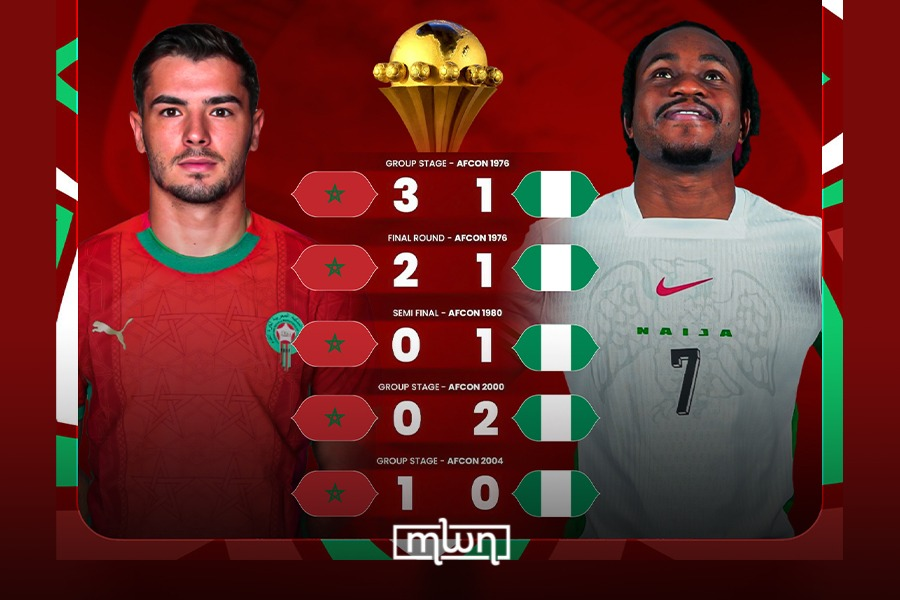
The Morocco vs Nigeria football rivalry represents one of Africa’s most exciting matchups. Both countries have strong national teams that regularly compete in African Cup of Nations and World Cup qualifications.
Morocco made history at the 2022 World Cup by becoming the first African team to reach the semifinals. The Atlas Lions’ success has elevated the country’s sporting profile internationally.
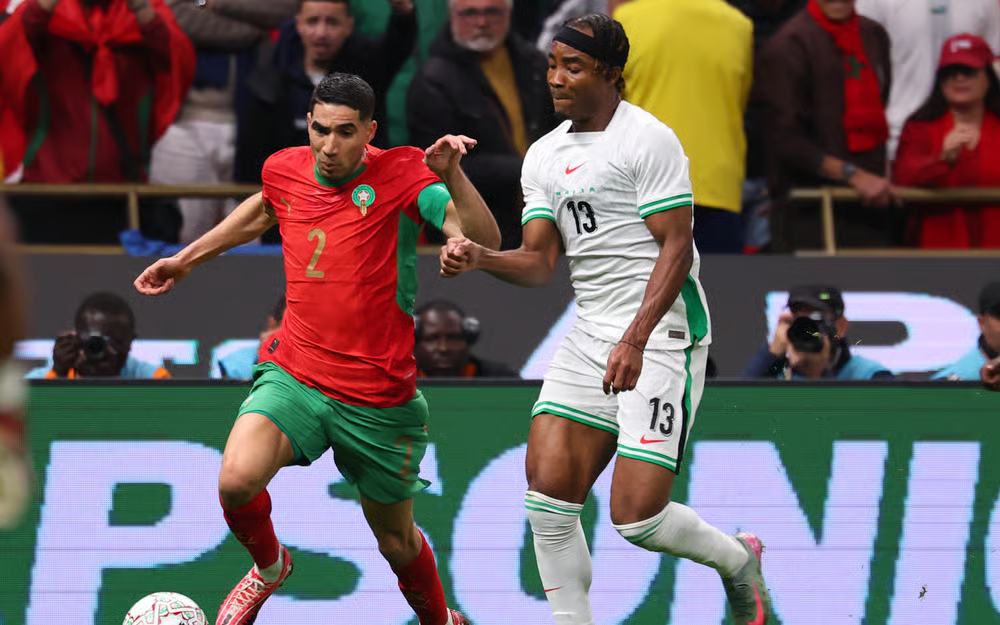
Nigeria’s Super Eagles have a rich football history with multiple African Cup of Nations victories and regular World Cup appearances. The country has produced many international stars playing in top European leagues.
Other Sports
Both countries excel in various sports beyond football. Morocco has strong traditions in athletics, particularly long-distance running, while Nigeria excels in track and field, boxing, and basketball.
Investment Opportunities
Sectors for Investment
Morocco offers investment opportunities in:
- Renewable energy projects
- Automotive manufacturing
- Tourism infrastructure
- Agricultural processing
- Logistics and transportation
Nigeria presents opportunities in:
- Oil and gas sector
- Telecommunications
- Banking and financial services
- Consumer goods manufacturing
- Agriculture and food processing
Government Incentives
Both countries offer various incentives to attract foreign investment, including tax holidays, simplified procedures for investors, and special economic zones with enhanced benefits.
Living Standards and Quality of Life
Cost of Living
The Morocco Nigeria cost of living comparison shows Morocco generally having higher costs, particularly in major cities like Casablanca and Rabat. However, the country offers better infrastructure and services in many areas.
Nigeria offers lower living costs in many regions, but this often comes with trade-offs in terms of infrastructure quality and security in some areas.
Healthcare and Social Services
Morocco has developed a more comprehensive healthcare system with better access to medical facilities and health insurance coverage. The country has also made progress in reducing poverty rates.
Nigeria faces significant challenges in healthcare delivery and social services, despite having more healthcare professionals and larger budgets in absolute terms.
Conclusion
The Morocco vs Nigeria comparison reveals two countries with distinct strengths and development paths. Morocco has built a more diversified and stable economy with better infrastructure and business environment, making it attractive for manufacturing and tourism investments. Nigeria offers the advantage of a large market size and significant natural resources, with a dynamic tech sector and cultural influence.
For investors and businesses, the choice between these markets depends on specific objectives, risk tolerance, and sector focus. Morocco provides a more predictable business environment with easier access to European markets, while Nigeria offers greater market potential and opportunities in emerging sectors.
Both countries are important players in Africa’s development story, and their continued growth will shape the continent’s future. Understanding their unique characteristics helps stakeholders make informed decisions about engagement strategies in these dynamic African markets.
What aspects of the Morocco vs Nigeria comparison interest you most? Share your thoughts in the comments below and let us know which country you think offers better opportunities for your specific interests or business goals.
